
When to See a Cat Allergy Vet in Ogden
When to See a Cat Allergy Vet in Ogden
If you are a cat owner in Ogden, you know how much your feline means to your family. When the seasons change or allergens linger indoors, you might notice your cat scratching, sneezing, or developing skin issues that just do not go away. These problems can be frustrating and worrying, especially if you are unsure whether your cat’s symptoms are due to allergies or something more serious. That is where a cat allergy vet can make all the difference. At Wasatch Hollow Animal Hospital, our veterinarian offers compassionate, advanced care for cats experiencing allergy symptoms here in Ogden, UT and surrounding communities. In this blog, we will guide you through the most common signs of allergies in cats, explain what causes these reactions, describe how a cat allergy vet diagnoses and treats them, and share steps you can take at home to keep your cat comfortable. You will also find out when it is time to schedule an appointment with our veterinary team, so your cat can get relief and return to their happy, healthy self.
Recognizing Allergy Symptoms in Your Cat
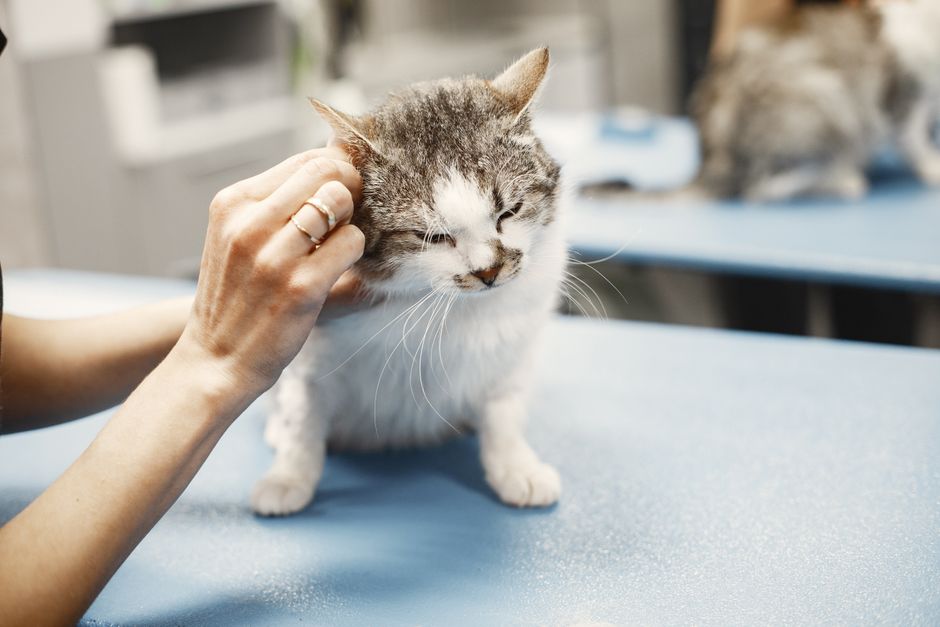
Cats are masters at hiding discomfort, so the early signs of allergies can be subtle. However, being aware of typical symptoms can help you catch problems before they become severe. Common signs that your cat may need to see a cat allergy vet include persistent scratching or licking, hair loss (especially around the face, neck, or belly), red or inflamed skin, and recurring ear infections. Other symptoms to watch for are watery eyes, sneezing, coughing, or frequent head shaking. Some cats may also develop digestive issues such as vomiting or diarrhea if they are reacting to something in their food. When you notice these changes in your cat’s behavior or appearance, it is important to pay attention to how long the symptoms last and whether they seem to get worse over time.
When Symptoms Become Concerning
A single episode of itching or sneezing does not always mean your cat has allergies; sometimes, it could be a reaction to dust or a new cleaning product. However, if your cat continues to show these symptoms for more than a few days, or if you notice sores, scabs, or significant hair loss, it may be time to consult a cat allergy vet. Cats with chronic allergies are also at risk for secondary infections, so seeking professional care sooner rather than later can prevent complications.
What Causes Allergies in Cats?
Understanding what triggers your cat’s allergies can help you manage their environment and reduce flare-ups. Allergies in cats often develop when their immune system overreacts to substances that are normally harmless. These substances, known as allergens, can be found both indoors and outdoors.
Environmental Allergens
Environmental triggers are among the most common sources of allergies in cats. These include pollen from local plants and trees (which is especially prevalent in Ogden during spring and fall), dust mites, mold spores, and even certain cleaning products or air fresheners used in your home. When your cat comes into contact with these allergens, their skin may become irritated, or they might experience respiratory symptoms.
Food Allergies
Some cats develop allergies or sensitivities to specific ingredients in their diet. Proteins such as chicken, beef, or fish are often the culprits, but grains and artificial additives can also play a role. Food allergies can lead to both skin and digestive symptoms, making them challenging to distinguish from other conditions without professional testing.
Flea Allergies
Flea bites are another major cause of allergic reactions in cats. Even a single flea bite can trigger intense itching if your cat is sensitive to flea saliva. In Ogden, where the climate can create seasonal flea challenges, year-round flea prevention is essential for any cat prone to allergies.
How a Cat Allergy Vet in Ogden Diagnoses Allergies
When you bring your cat to Wasatch Hollow Animal Hospital for allergy concerns, our veterinary team will begin with a thorough physical examination and a detailed discussion of your cat’s history. We may ask you questions about recent changes in your home, your cat’s diet, and any previous medical issues. This helps us narrow down possible causes.
Diagnostic Testing
To identify specific allergens, your cat allergy vet may recommend additional testing. Veterinary allergy testing at our clinic can include blood tests or skin tests to pinpoint environmental triggers. In some cases, a food elimination trial is advised, where your cat is fed a special diet for several weeks to see if symptoms improve. If infections or other diseases are suspected, our diagnostic laboratory services can provide further insights by analyzing blood, skin, or ear samples. This comprehensive approach ensures your cat gets tailored treatment rather than a one-size-fits-all solution.
Treatment Options for Cat Allergies
Once a diagnosis is made, your cat allergy vet will recommend a treatment plan that addresses both immediate symptoms and long-term management. Treatment options depend on the type and severity of your cat’s allergies.
Medical Management
For environmental allergies, your veterinarian may prescribe antihistamines, corticosteroids, or other medications to control itching and inflammation. In cases where secondary bacterial or yeast infections have developed, topical or oral antibiotics might be necessary. Immunotherapy, which involves gradually exposing your cat to small amounts of allergens to build up tolerance, is available for some cats with persistent issues.
Dietary Changes
If food allergies are suspected or confirmed, your cat will need to transition to a special hypoallergenic or limited-ingredient diet. Your cat allergy vet will guide you through this process and help you select a diet that meets your cat’s nutritional needs while avoiding triggers.
Flea Control and Environmental Modifications
Effective flea prevention is critical for cats with flea allergies. Your veterinarian will recommend safe, veterinarian-approved flea control products and discuss strategies for keeping your cat’s environment free of fleas. Additionally, reducing exposure to environmental allergens can involve using air purifiers, vacuuming regularly, and avoiding scented products in your home.
Home Care and Prevention Strategies
While veterinary treatment is essential for managing allergies, there are steps you can take at home to make your cat more comfortable and prevent flare-ups. Regular grooming helps remove allergens from your cat’s coat and skin, while frequent washing of bedding reduces dust mites and other irritants. Using unscented, hypoallergenic cleaning products can minimize chemical triggers. For cats with food allergies, strict adherence to the prescribed diet is necessary, and you should avoid offering treats or table scraps that contain possible allergens.
If your cat spends time outdoors, try to limit exposure during peak pollen seasons. After outside adventures, gently wiping your cat’s fur and paws with a damp cloth can remove pollen or dirt that may cause reactions. Your veterinarian can provide additional advice tailored to your cat’s specific needs and the unique conditions in Ogden.
When to Call a Cat Allergy Vet
Determining when to seek veterinary care can be challenging, especially if your cat’s symptoms fluctuate. However, it is always best to err on the side of caution. If your cat has persistent itching, skin lesions, hair loss, or signs of infection such as redness, swelling, or discharge, schedule an appointment with our veterinary team. Cats that develop breathing difficulties, severe vomiting, or signs of pain should be evaluated as soon as possible, as these can indicate serious complications.
Regular pet examinations are also vital for cats with chronic allergies. These visits allow your cat allergy vet to monitor progress, adjust treatment plans, and catch any new issues early. Remember, prompt professional care not only provides relief for your cat but also helps prevent long-term health problems.
Your Local Cat Allergy Vet in Ogden: Wasatch Hollow Animal Hospital
At Wasatch Hollow Animal Hospital, we understand how disruptive allergies can be for both cats and their owners. Our team is committed to providing thorough diagnostic workups, personalized treatment plans, and ongoing support to help your cat feel their best. If you are searching for a “vet near me” who truly understands feline allergies, look no further than our clinic in Ogden, UT.
Whether your cat is dealing with seasonal flare-ups, food sensitivities, or year-round itching, our cat allergy vet can help you find answers and lasting solutions. To schedule an appointment or learn more about our allergy testing and treatment options, call us at (801) 689-2244 or visit our clinic location. We look forward to helping your cat enjoy a happier, healthier life—free from the discomfort of allergies.
Medical Disclaimer: The information in this blog is for educational purposes only and is not a substitute for professional veterinary care. If your cat is experiencing symptoms or you have concerns about their health, please contact your veterinarian for personalized advice.