
Why Your Dog Needs a Dentist in Ogden

Why Your Dog Needs a Dentist in Ogden
If you are like most dog owners in Ogden, your pup’s cheerful grin is one of your favorite sights. But have you ever wondered whether your dog’s teeth and gums are as healthy as they look? Dental disease is one of the most common health issues affecting dogs, and the need for a qualified dog dentist is often overlooked until problems become serious. At Wasatch Hollow Animal Hospital, located at 4300 Harrison Blvd., Suite 5, Ogden, UT 84403, our team is dedicated to protecting your dog’s oral and overall health. In this blog, we will explore why regular visits to a dog dentist are essential, how to recognize signs of dental issues, what causes dental disease, and how our veterinary team can help keep your dog’s teeth sparkling clean. If you are concerned about your dog’s dental health or simply want to prevent problems before they start, you’re in the right place.
Recognizing When Your Dog Needs a Dentist
Understanding when your dog might benefit from a dental checkup is the first step toward preventing discomfort and more serious health complications. Dental disease often develops quietly, so it can be easy to miss the early warning signs. However, attentive dog owners can spot several common symptoms that signal it is time to schedule an appointment with a dog dentist in Ogden.
Key symptoms include persistent bad breath, which is often the earliest and most noticeable sign of dental trouble. If your dog’s breath smells unpleasant even after brushing or dental treats, it could indicate underlying plaque or infection. Additional signs to watch for are red or swollen gums, visible tartar on the teeth, bleeding from the mouth, drooling more than usual, reluctance to eat hard food, pawing at the mouth, or even dropping food while eating. Some dogs may become irritable or withdraw from play if their mouths are sore.
In more advanced cases, you might notice loose teeth, pus along the gumline, or swelling under the eyes or along the jaw, which can indicate an abscess or deep-seated infection. If you observe any of these symptoms, it is important to contact your veterinarian promptly, as untreated dental disease can cause significant pain and may even affect vital organs over time.
Why Do Dogs Get Dental Disease?
Dental disease in dogs is incredibly common; studies estimate that by age three, most dogs show some evidence of periodontal disease. But why is this problem so widespread? The answer lies in a combination of diet, genetics, oral anatomy, and daily routines.
Plaque, a soft film of bacteria and food debris, begins accumulating on your dog’s teeth within hours of eating. If not removed by chewing, brushing, or professional cleaning, this plaque hardens into tartar, which can harbor more bacteria and irritate the gums. Over time, the body’s response to this irritation results in inflamed gums (gingivitis) and, eventually, the destruction of the tissues and bone that support the teeth (periodontitis).
Small breeds and dogs with crowded or misaligned teeth are especially prone to dental disease because their mouths provide more places for plaque to hide. Certain breeds are genetically predisposed to dental issues, while others may be affected by underlying health conditions that impact oral health. Diet also plays a role; while many owners believe that feeding only dry kibble will keep teeth clean, even kibble can leave behind residue that contributes to plaque formation.
Environmental factors, such as exposure to hard chew toys or bones, can also lead to fractured teeth or worn enamel, which create entry points for bacteria. Regular home dental care and professional checkups with a dog dentist are essential to address these risk factors and prevent problems from developing.
How a Dog Dentist in Ogden Treats and Manages Dental Problems
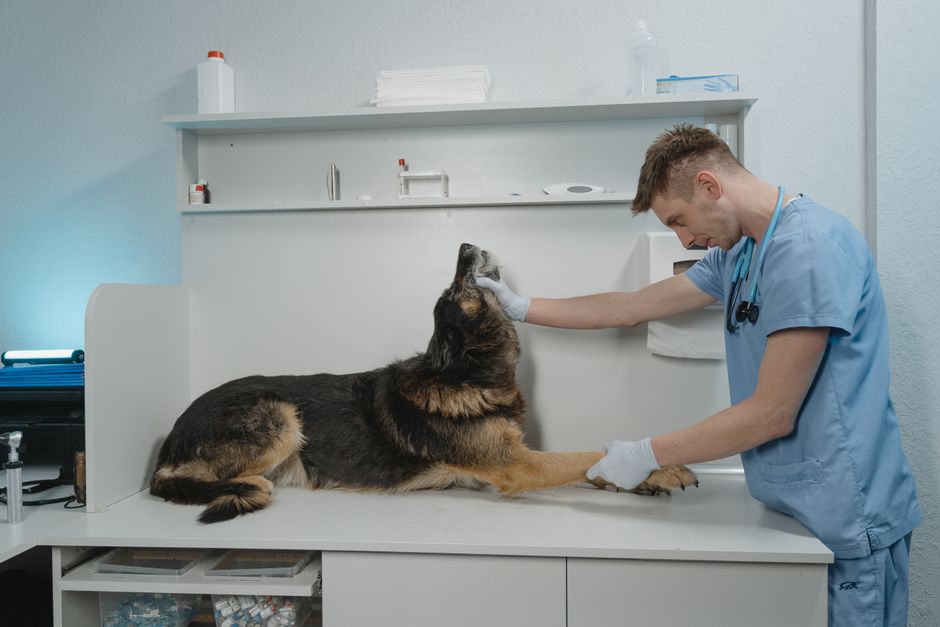
When your dog needs professional dental care, our veterinarians at Wasatch Hollow Animal Hospital provide a comprehensive approach tailored to your pet’s needs. The first step is a thorough oral examination, during which we assess your dog’s teeth, gums, and mouth for signs of disease. In many cases, dental X-rays are recommended because much of the damage caused by dental disease occurs below the gumline, where it can’t be seen with the naked eye.
If plaque and tartar are present, a professional dental cleaning under anesthesia is typically recommended. This procedure allows us to scale and polish your dog’s teeth, removing deposits both above and below the gumline. Anesthesia ensures your dog is comfortable and safe throughout the process, and allows our veterinarians to clean all surfaces of every tooth thoroughly. During the cleaning, we will also check for loose, broken, or infected teeth and discuss any necessary treatments.
Treatment options may involve dental fillings for cavities, extractions of severely damaged teeth, or more advanced procedures such as endodontics or oral surgery if warranted. Our team uses modern equipment and techniques to provide comprehensive veterinary dentistry services, ensuring your dog receives the highest standard of care. For cases where deeper problems are suspected, we may recommend dental radiography and dental X-ray services to evaluate the health of tooth roots and surrounding bone.
Pain management is always a priority. If oral surgery or extractions are needed, we provide appropriate pain relief and clear instructions for aftercare at home. We are happy to answer any questions about your dog’s recovery, dietary changes, or follow-up visits to ensure your pet is comfortable and healing well.
Preventing Dental Disease: What You Can Do at Home
Maintaining your dog’s dental health is a team effort between you and your veterinarian. Fortunately, many preventive measures can be incorporated into your regular routine at home, reducing the risk of dental disease and helping your dog feel their best.
Daily tooth brushing is the gold standard for removing plaque before it hardens into tartar. Use a soft-bristled toothbrush and dog-specific toothpaste, as human products are not safe for pets. If brushing is new to your dog, start slowly and make it a positive experience with praise and treats. In addition to brushing, dental chews, toys, and diets formulated to promote oral health can help reduce plaque buildup, though they should never replace professional care.
Routine dental checkups are also essential. During your dog’s annual or biannual wellness exam, our veterinary team will check your dog’s mouth for early signs of disease and recommend a dental cleaning schedule tailored to their needs. Regular cleanings with a dog dentist are the only way to remove tartar once it has formed beneath the gumline.
Avoid giving your dog hard objects such as bones, antlers, or hooves, which can fracture teeth. Instead, opt for safe chew toys and treats that promote dental health. Monitor for changes in eating habits, bad breath, or other signs of discomfort, and reach out to your veterinarian with any concerns.
When to Seek Veterinary Dental Care for Your Dog
Knowing when to seek professional care is crucial. If you notice persistent bad breath, red or bleeding gums, difficulty chewing, excessive drooling, loose or discolored teeth, swelling of the face, or changes in your dog’s appetite or behavior, it is time to schedule a dental exam. Even if your dog seems fine, regular checkups with a dog dentist in Ogden are vital for early detection and prevention of dental problems.
Some dental issues can progress quickly and may require urgent attention. For example, sudden swelling of the face, refusal to eat, or signs of severe pain are indications to call your veterinarian right away. Prompt treatment can prevent complications and relieve your dog’s discomfort.
If you are unsure whether your dog needs a dental visit, our team is always available to answer your questions and help you decide on the best next steps for your pet’s health.
The Wasatch Hollow Animal Hospital Difference: Compassionate Dog Dentistry in Ogden
At Wasatch Hollow Animal Hospital, we believe that every dog deserves a healthy mouth and a pain-free smile. Our approach to dog dentistry combines advanced technology, skilled veterinary professionals, and a gentle touch to ensure your dog’s experience is as comfortable and stress-free as possible. We serve Ogden and surrounding communities, offering everything from preventive dental cleanings to advanced oral surgery.
Our facility provides professional dental cleaning services for pets, along with diagnostics, dental repair, and ongoing oral health management. We take the time to educate you about your dog’s unique dental needs and create a plan that fits your lifestyle. Whether your dog is coming in for their first dental checkup or requires more advanced care, you can trust our veterinarians to provide the expertise and compassion your family expects.
If you are searching for a “vet near me” who truly understands the importance of dental health, look no further than Wasatch Hollow Animal Hospital. Our location at 4300 Harrison Blvd., Suite 5, Ogden, UT 84403 is easy to reach, and our friendly team is always happy to welcome new and returning patients.
Ready to give your dog a healthier smile? Schedule an appointment with a dog dentist in Ogden today by calling (801) 689-2244. Let us help your dog live a happier, healthier life—one tooth at a time.
References and Further Reading:
- American Veterinary Dental College (AVDC): avdc.org
- Comprehensive veterinary dentistry services at Wasatch Hollow Animal Hospital
This blog is intended for informational purposes only and does not replace professional veterinary advice. Always consult your veterinarian with concerns about your dog’s health.