
Winter Wellness Tips for Pets in Ogden’s Coldest Months
.jpg)
Winter Wellness Tips for Pets in Ogden’s Coldest Months
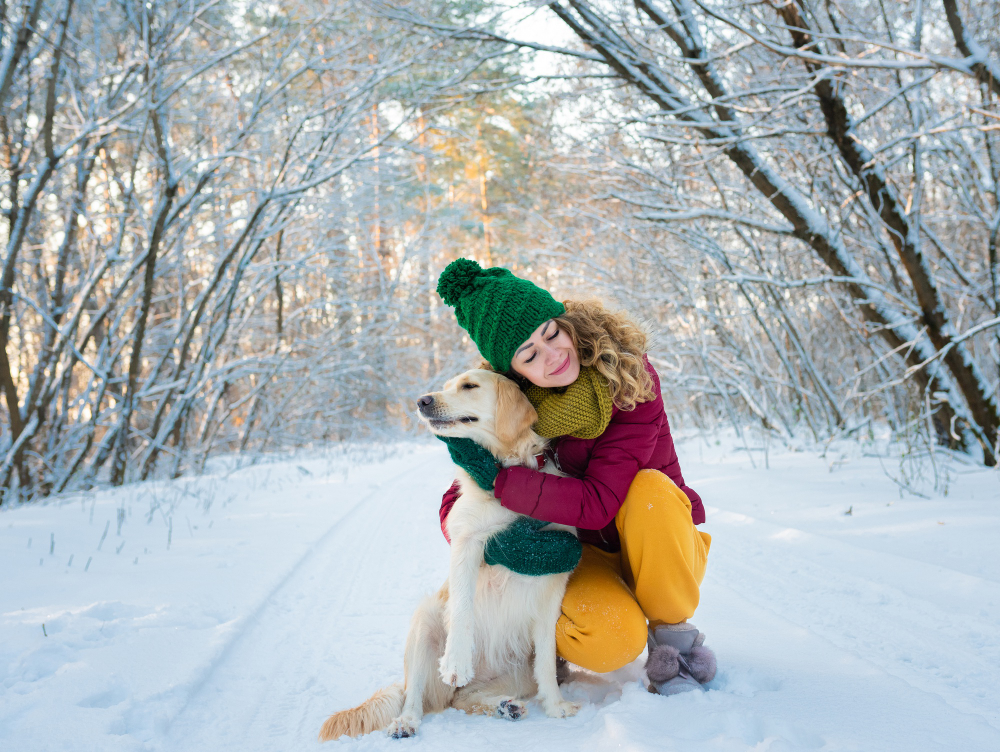
Winter in Ogden brings snowy landscapes, chilly winds, and plenty of reasons to cozy up indoors. While many pet owners look forward to the beauty of the season, it also comes with unique challenges for dogs and cats. At Wasatch Hollow Animal Hospital, our veterinarian and veterinary professionals understand how important it is to keep your pets safe, comfortable, and healthy through the harshest months. Whether your dog loves bounding through fresh snow or your cat prefers gazing out the window from a warm perch, winter wellness is about more than comfort; it is about protecting your pet from seasonal hazards and supporting their physical and mental wellbeing.
In this guide, we will share practical winter wellness tips for Ogden’s coldest months, including how to spot signs of winter-related distress, tips for managing indoor enrichment, coat care, hydration strategies, and when to seek veterinary care. We will also discuss how our comprehensive services at Wasatch Hollow Animal Hospital can support your pet’s health throughout the season. If you are searching for a trusted veterinary partner in Ogden and surrounding communities, our team is here to help you schedule an appointment and answer your questions.
Recognizing When Winter Is Affecting Your Pet
Winter weather in Ogden can push temperatures well below freezing, creating challenges for pets who are accustomed to spending time outdoors or who have certain health vulnerabilities. It is especially important to monitor your dog or cat for signs that cold weather is taking a toll on their health or comfort.
Common signs that winter may be affecting your pet include shivering, reluctance to go outside, limping or holding up a paw after being outdoors, and seeking out warm places to rest. For dogs, you might notice cracked or dry paw pads, while cats could show increased lethargy or spend more time curled up in tight spaces for warmth. Breeds with short coats or little body fat—such as Greyhounds, Chihuahuas, or Sphynx cats—are especially vulnerable to the cold. Additionally, senior pets and those with chronic medical conditions like arthritis or heart disease may experience more discomfort during winter months.
Other warning signs to watch for are persistent coughing, nasal discharge, difficulty breathing, or changes in appetite and water intake. If your pet is experiencing any of these symptoms, especially if they seem severe or sudden, it may be time to reach out to our veterinary team for guidance or a wellness examination.
Why Winter Poses Special Risks for Dogs and Cats
Understanding why winter brings certain risks can help you better protect your pets. In Ogden, February is often marked by icy conditions, snow accumulation, and frequent fluctuations in temperature. These environmental changes can lead to a range of pet health challenges.
Cold air and icy surfaces can cause discomfort or injury to sensitive paw pads. Snow and ice-melting chemicals used on sidewalks and roads can irritate the skin and be toxic if licked off paws. Reduced sunlight and shorter days may contribute to changes in behavior, such as increased sleepiness or restlessness due to less physical and mental stimulation. For pets that spend time outdoors, hypothermia and frostbite are real concerns, especially if they are left outside for extended periods.
Indoor hazards also increase during winter. Homes may be less ventilated, which can contribute to respiratory issues or the spread of viruses. Space heaters, fireplaces, and holiday decorations can pose burn or ingestion risks. Additionally, with windows closed and less fresh air, some pets may experience a rise in dust or allergen exposure.
Finally, winter can impact hydration and nutrition. Pets may drink less water if it is cold, leading to increased risk of dehydration or urinary tract issues. Changes in routine, such as less outdoor activity, may also contribute to weight gain if food portions are not adjusted to match decreased energy expenditure.
Supporting Your Pet’s Health: Professional Care and At-Home Strategies
When it comes to keeping your pet healthy during winter, a proactive approach is best. At Wasatch Hollow Animal Hospital, we offer comprehensive preventive and diagnostic care to address the unique needs of your dog or cat in every season. Scheduling a wellness appointment is a great way to assess your pet’s overall health, review vaccination status, and discuss any concerns you have about winter-related risks.
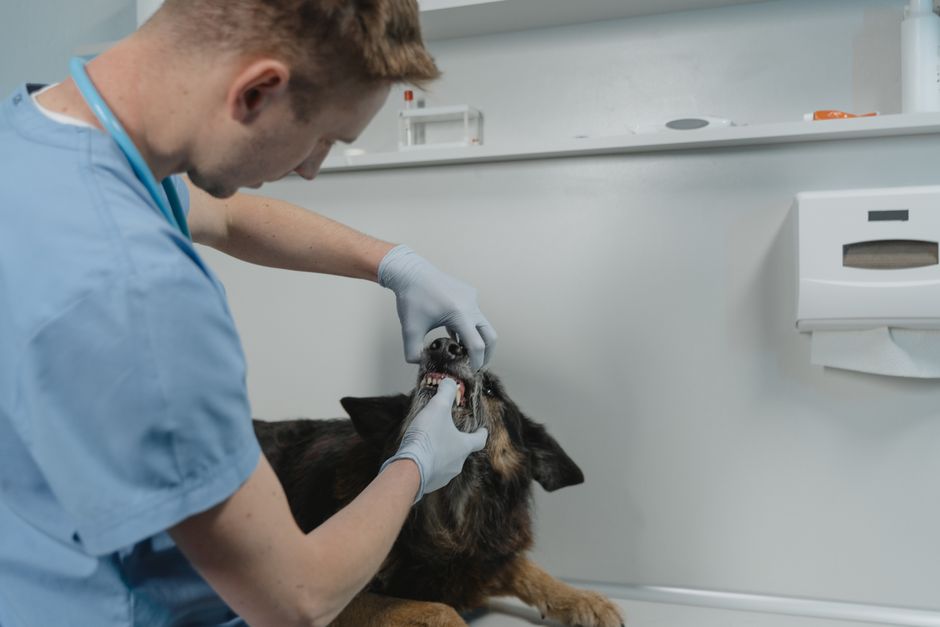
Our veterinary professionals may recommend services such as a thorough physical exam, bloodwork to check for metabolic changes, or a review of your pet’s dental health. Dental problems can worsen in winter, as pets may chew less on toys or bones, leading to plaque buildup; our comprehensive dental care services can help keep your pet’s mouth healthy and pain-free all year round.
If your pet is showing signs of discomfort, such as limping, joint stiffness, or changes in activity, our team can advise on pain management options. Treatments may involve medication adjustments, nutritional supplements, or lifestyle recommendations tailored to your pet’s age and medical history. For pets with chronic conditions like arthritis, our team may suggest therapies such as acupuncture or laser therapy to support comfort and mobility during colder months.
We also encourage pet owners to use our boarding and grooming services when travel or busy schedules make at-home care more challenging. Our veterinarian and technicians monitor pets closely during their stay, ensuring that any medical or environmental needs are met promptly.
Winter Home Care Tips for Your Dog or Cat
In addition to professional veterinary care, there are many steps you can take at home to promote winter wellness for your pet. Creating a safe, stimulating, and comfortable environment becomes even more important when outdoor time is limited.
For dogs, regular indoor play sessions can help maintain physical fitness and mental engagement. Try interactive toys, indoor fetch, or puzzle feeders to keep your dog active. For cats, window perches, climbing trees, and food-dispensing toys can reduce boredom and encourage movement. If your dog needs to go outside, limit time outdoors during the coldest parts of the day, use a well-fitting coat for short-haired breeds, and consider booties to protect sensitive paws from ice and salt.
After outdoor walks, gently wipe your pet’s paws and belly to remove ice, snow, and chemical residues. Check for redness, cracks, or irritation, and contact your veterinarian if you notice any persistent issues. Ensure that your pet has access to warm, draft-free resting spots throughout your home. Extra bedding, heated pads designed for pets, or placing beds away from doors and windows can help your pet stay cozy.
Hydration is just as important in winter as in summer. Encourage your pet to drink by providing fresh, room-temperature water and cleaning bowls regularly. Some pets prefer running water, so a pet fountain may encourage increased water intake. Monitor your pet’s weight and adjust food portions if activity levels change; obesity can worsen joint problems and reduce overall health.
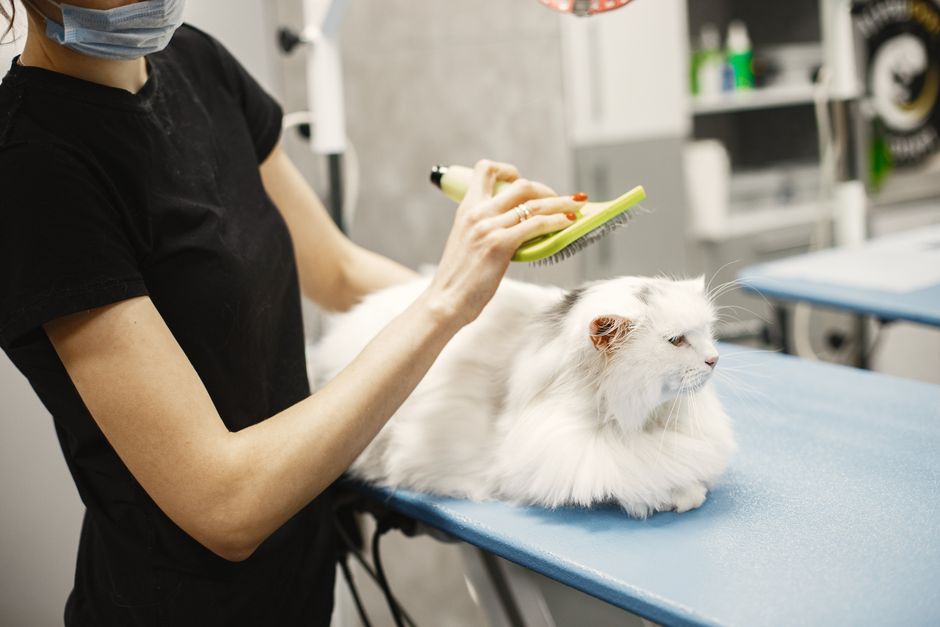
Grooming is another key aspect of winter wellness. Regular brushing helps remove dead hair, distribute natural oils, and prevent mats that can reduce insulation. Long-haired breeds may require more frequent grooming to keep their coats clean and free of debris. Avoid shaving your pet’s coat too short in winter, as it provides natural protection against the cold.
When to Schedule a Veterinary Visit During Winter
While many winter challenges can be managed at home, certain situations call for prompt veterinary attention. If your pet is shivering uncontrollably, showing signs of hypothermia (such as weakness, confusion, or slowed breathing), or has pale or blue-tinged gums, seek care as soon as possible. Sudden lameness, wounds from slipping on ice, or exposure to toxic substances like antifreeze or ice melt also require immediate evaluation.
Persistent coughing, sneezing, or nasal discharge can indicate respiratory infections, which may spread more easily during cold months. Changes in appetite, vomiting, diarrhea, or significant weight loss are also reasons to contact your veterinarian. If your pet’s water intake drops significantly, or if you notice signs of urinary discomfort, prompt assessment can help prevent more serious complications.
If you are ever uncertain whether your pet’s symptoms require a veterinary visit, our team at Wasatch Hollow Animal Hospital is happy to answer your questions and recommend next steps. Scheduling a wellness examination can provide peace of mind and help catch potential problems early.
Frequently Asked Winter Pet Care Questions
Pet owners in Ogden often have questions about how best to care for their dogs and cats during the coldest months. Common concerns involve how cold is too cold for a walk, whether indoor pets need different care, and what to do about increased shedding or dry skin.
As a general rule, if it is too cold for you to be comfortable outside, it is likely too cold for your pet as well. Short trips outdoors are usually safe for healthy, adult pets, but always supervise your pet and watch for signs of discomfort. Indoor pets may develop dry skin due to heated air; adding a humidifier to your home and using gentle grooming products can help maintain healthy skin and coats.
For more information about winter hazards, at-home enrichment, and preventive health strategies, explore our Pet Education Center for additional resources or contact our veterinary professionals directly.
Keeping Your Pet Happy and Healthy All Winter Long
Winter in Ogden brings unique joys and challenges for pets and their owners alike. With the right preparation and support, your pet can enjoy the season safely and comfortably. By recognizing signs of winter discomfort, understanding why seasonal risks matter, and implementing both professional and at-home care strategies, you are setting your pet up for a happy, healthy winter.
If you have concerns about your pet’s health, or if you would like to schedule a wellness visit, our compassionate veterinary team at Wasatch Hollow Animal Hospital is here to help. We recommend reaching out for a checkup if you notice any changes in your pet’s behavior, appetite, or activity during the winter months. For those searching for a "vet near me," our Ogden location provides comprehensive care for dogs and cats throughout the region.
To book an appointment or learn more about our winter wellness recommendations, call us at (801) 689-2244 or visit us in person at 4300 Harrison Blvd., Suite 5, Ogden, UT 84403. At Wasatch Hollow Animal Hospital, we are dedicated to supporting you and your pets all year round.
For further reading or to explore more seasonal pet care tips, check out our Pet Education Center or reach out to our friendly veterinary professionals today.