Spring Pet Allergies: Relief Tips for Ogden Cats and Dogs
.jpg)

Spring Pet Allergies: Relief Tips for Ogden Cats and Dogs
As spring arrives in Ogden, UT, you may notice your dog or cat scratching, licking, or sneezing more than usual. The beautiful, blossoming landscapes that make our community special can also bring a surge of pollen and other allergens, causing discomfort for pets throughout the city and surrounding neighborhoods. At Wasatch Hollow Animal Hospital, our veterinarian, Dr. Howard, and our veterinary team understand how frustrating seasonal allergies can be for both pets and their owners. In this guide, we will help you recognize the signs of spring allergies in your cat or dog, explain what causes these symptoms, outline effective treatment options, and share at-home care tips for relief. If you are worried about your pet’s itching or sneezing this season, our Ogden clinic is here to help with compassionate, comprehensive care.
Recognizing Spring Allergy Symptoms in Cats and Dogs
Seasonal allergies in pets often mimic the signs seen in people, but the symptoms can sometimes be more subtle or mistaken for other issues. Being able to identify these warning signs early can help you get your dog or cat the relief they need before discomfort worsens.
Key symptoms of spring allergies in pets include frequent scratching or biting at the skin, chewing at the paws or base of the tail, and licking excessively—especially between the toes or along the belly. You might also notice red, inflamed skin, hair loss in areas your pet is licking or scratching, or small bumps and scabs. Other common signs are watery or red eyes, sneezing, a runny nose, and ear infections that may lead to head shaking or odor. In some cases, cats and dogs with allergies may also develop recurrent hot spots or skin infections that just do not seem to heal.
If your dog is suddenly rolling in the grass more, or your cat is grooming obsessively after being outside or near open windows, these behaviors could be their way of coping with itchy, irritated skin. Since allergies can look similar to flea infestations, food sensitivities, or even certain infections, it is important to seek veterinary advice for an accurate diagnosis.
What Causes Spring Allergies in Ogden’s Pets?
Spring in Ogden brings a burst of pollen as trees, grasses, and weeds bloom throughout the area. While this is a welcome sight for those who love the outdoors, it can spell trouble for sensitive pets. The primary culprits behind spring allergies are airborne pollens from trees like cottonwood, elm, and maple, as well as grass and weed pollens that become prevalent as temperatures rise.
Pets develop allergies when their immune system overreacts to these harmless substances. In many cases, a dog or cat may start showing symptoms after being exposed to the same allergens year after year—spring allergies often worsen over time. Pets that spend a lot of time outdoors, enjoy rolling in the grass, or nap near open windows may be more susceptible to pollen exposure. Additionally, Utah’s dry, windy climate during the spring season can carry pollen and dust over long distances, making it nearly impossible to avoid completely.
Beyond pollen, other springtime triggers can amplify allergy symptoms. Mold spores from damp soil and blossoming plants, increased dust from spring cleaning, and even certain cleaning products used around the home can all contribute to allergic reactions in dogs and cats. Understanding these environmental factors can help you take targeted steps to minimize your pet’s exposure.
Professional Treatment for Pet Allergies at Wasatch Hollow Animal Hospital
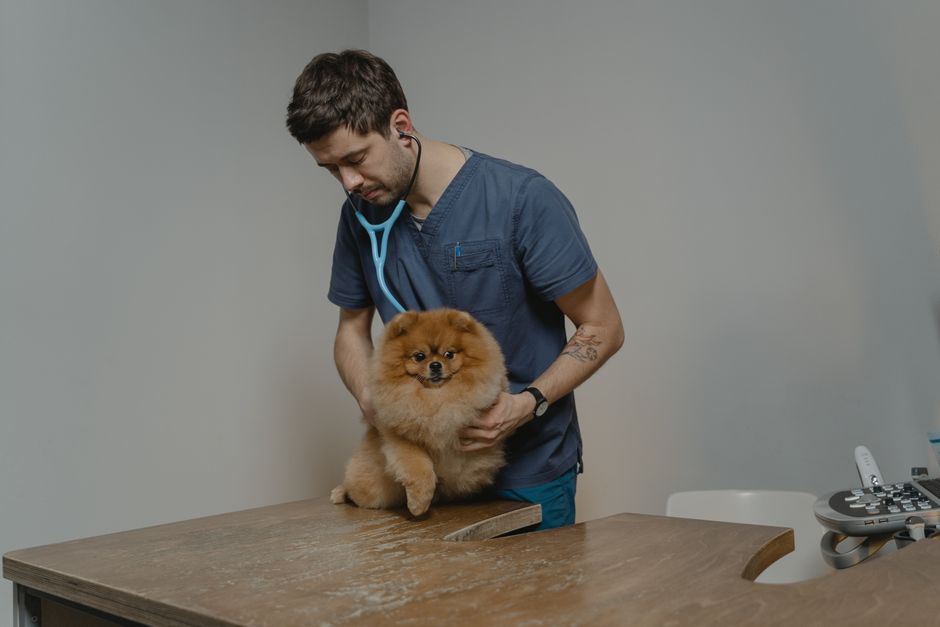
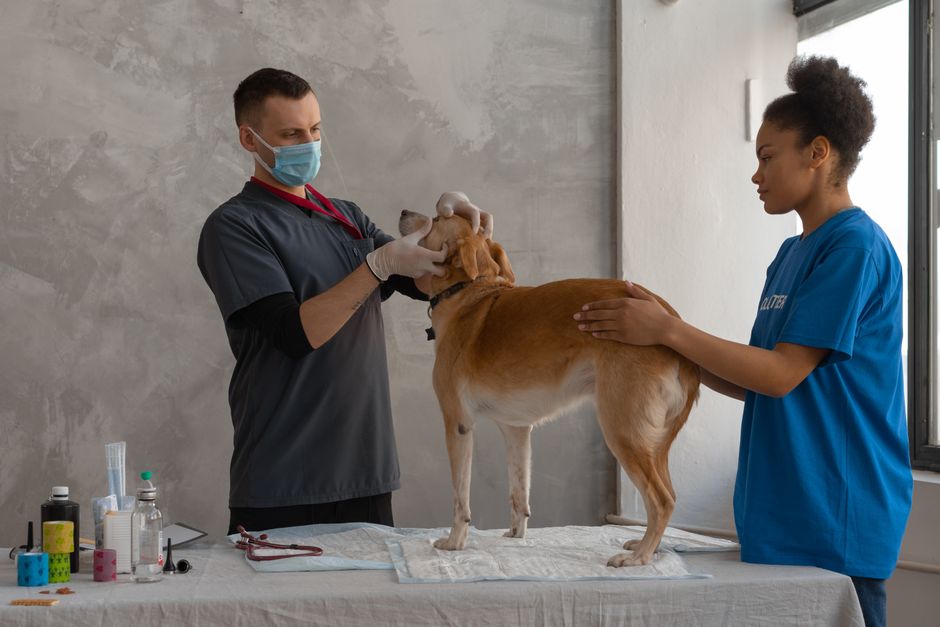
When your pet’s itchiness, sneezing, or irritated skin just will not let up, our veterinary professionals at Wasatch Hollow Animal Hospital can help uncover the underlying cause and create a personalized treatment plan. The first step is a thorough examination to rule out other common issues like fleas, mites, or skin infections. In some cases, we may recommend allergy testing services to identify specific pollen, dust, or mold allergens affecting your pet.
Treatment for spring allergies often involves a combination of approaches. Medicated shampoos and topical sprays can soothe inflamed skin, reduce itching, and help repair the natural skin barrier. Prescription antihistamines or anti-inflammatory medications may be recommended for pets with moderate to severe symptoms. For dogs and cats with chronic or severe allergies, immunotherapy (allergy shots or drops) customized to your pet’s specific triggers can gradually decrease sensitivity over time.
Our veterinary team is skilled at managing both acute flare-ups and long-term allergy control, always prioritizing your pet’s comfort and quality of life. We also provide ongoing support for related conditions like secondary skin infections or recurring ear problems, which are common complications of untreated allergies. Every treatment plan is tailored to the individual needs of your pet, taking into account their age, lifestyle, and overall health.
At-Home Relief and Prevention Tips for Spring Allergies
While professional care is essential for managing severe allergies, many pet owners can take proactive steps at home to help reduce symptoms and prevent flare-ups. Simple changes in your daily routine and environment can make a noticeable difference in your pet’s comfort during spring.
Bathing your dog or cat regularly with a gentle, hypoallergenic shampoo can help remove pollen, dust, and other irritants from their coat and skin. Wiping your pet’s paws, face, and belly with a damp cloth after outdoor activities is another effective way to minimize allergen exposure. Keeping windows closed during high pollen days and using air purifiers can reduce indoor pollen levels, creating a safer environment for sensitive pets.
Frequent vacuuming, using unscented cleaning products, and washing your pet’s bedding in hot water can help keep allergens at bay inside the home. For cats who love lounging by sunny windows, consider using screens or filters to reduce pollen drift. Monitoring local pollen counts and limiting time spent outdoors during peak pollen hours can also help keep symptoms under control, especially for pets with known sensitivities.
Proper nutrition and regular grooming are important for supporting skin health and immune function. A balanced diet rich in omega-3 fatty acids may improve skin barrier strength, making your pet less prone to irritation. If your dog or cat has ongoing allergy symptoms, our veterinary team can recommend dietary supplements or prescription foods designed for sensitive skin.
When to Schedule a Veterinary Visit
It is normal for pets to have the occasional scratch or sneeze, but persistent symptoms warrant a professional evaluation. You should schedule an appointment with our veterinarian if your dog or cat is scratching or licking so much that their skin is red, raw, or bleeding, if there is hair loss or bald patches, or if you notice open sores, scabs, or a foul odor from the skin or ears. Frequent ear infections, repeated hot spots, or any signs of pain—such as whimpering, avoiding touch, or sudden changes in behavior—also indicate a need for prompt veterinary attention.
For some pets, allergies can lead to more serious health issues like severe skin infections or chronic discomfort, impacting their overall well-being. Our veterinary professionals can help determine whether your pet’s symptoms are caused by seasonal allergies or another underlying condition and guide you through the most effective treatment options. Early intervention can prevent minor issues from becoming long-term health problems and improve your pet’s quality of life during allergy season.
If you are ever unsure whether your pet’s symptoms require medical attention, our team is happy to answer your questions and provide guidance based on your pet’s unique needs. For more information on identifying and managing pet allergies, you may also want to explore our dedicated allergy testing services.
Supporting Your Pet Through Spring in Ogden
Spring should be a joyful time for both you and your pet, filled with outdoor adventures and fresh beginnings—not constant itching or sneezing. By recognizing the signs of allergies early, taking preventive action at home, and seeking veterinary care when needed, you can help your dog or cat enjoy a more comfortable and healthy season.
If you are searching for a veterinarian near me in Ogden or the surrounding communities, Wasatch Hollow Animal Hospital is dedicated to providing expert, compassionate care for your pet. Our team of veterinarians combines advanced diagnostics with personalized support to ensure your dog or cat receives the best possible treatment for allergies and other health concerns.
To schedule an appointment or learn more about our services, call (801) 689-2244 or visit us at 4300 Harrison Blvd., Suite 5, Ogden, UT 84403. We are here to help your pet feel their best all spring long. For detailed information on how we diagnose and manage pet allergies, explore our allergy testing services. Your pet’s comfort and happiness are our top priorities this season and every season.
This blog is intended for informational purposes only and should not replace professional veterinary advice. If you have concerns about your pet’s health, always consult your veterinarian for a thorough evaluation and personalized recommendations.