
Spring Pet Allergies in Ogden: What Owners Should Know
.jpg)

Spring Pet Allergies in Ogden: What Owners Should Know
As warmer weather returns to Ogden and the landscape bursts into life, many pet owners notice their dogs and cats start to sneeze, scratch, or show other signs of discomfort. Spring is a beautiful time of year in northern Utah, but it also marks the start of allergy season for many local pets. If your pet is itching more than usual or seems bothered by the changing environment, you are not alone. At Wasatch Hollow Animal Hospital, located at 4300 Harrison Blvd., Suite 5, Ogden, UT 84403, our veterinarian and veterinary team frequently help pet families navigate the challenges of springtime allergies. In this blog, we will explain how to spot allergy symptoms in your pet, what causes these reactions, how veterinary care can help, and steps you can take at home to keep your furry friend comfortable throughout the season. Whether you are a long-time resident of Ogden or new to the area, understanding pet allergies can make spring much more enjoyable for both you and your companion.
Recognizing Spring Allergy Symptoms in Pets
The signs of spring allergies in pets can be subtle at first, but as pollen counts rise and outdoor activity increases, symptoms often become more noticeable. In dogs and cats, allergies rarely cause the classic sneezing and watery eyes seen in people; instead, skin irritation is the most common presentation. Symptoms include persistent scratching or licking, especially of the paws, face, and ears. Some pets develop red, inflamed skin, while others may lose fur in patches or develop small scabs or hot spots. You might notice your dog rubbing their face along the carpet or your cat grooming excessively until bald spots appear. Other signs to watch for are ear infections that keep coming back, a musty odor from the skin or coat, and in some cases, sneezing or runny eyes. If your pet seems more restless or is waking you up at night with scratching, spring allergies could be the culprit.
When to Suspect Allergies
Not every itch means your pet has allergies, but if these symptoms appear suddenly as the weather changes or seem to flare up every spring, environmental allergies are a likely cause. Seasonal patterns, such as worsening symptoms after time spent outdoors or improvement during rainy weather, can provide clues. Keep in mind that food allergies and parasites like fleas can cause similar symptoms, so a veterinary consultation is essential for an accurate diagnosis. If your pet's symptoms are severe, persistent, or cause discomfort, do not wait for them to go away on their own. Early intervention can prevent complications and help your pet feel better sooner.
What Causes Spring Allergies in Ogden Pets?
Ogden's unique geography brings a vibrant spring bloom, but it also means a surge in pollen from trees, grasses, and weeds. As these plants release their pollen into the air, sensitive pets inhale or come into contact with these microscopic particles. The immune systems of some dogs and cats recognize these substances as threats, triggering a cascade of inflammatory reactions that manifest as itchy skin and other symptoms. Common allergens in the Ogden area include pollen from cottonwood, elm, and maple trees in early spring, followed by grasses and weeds as the season progresses. Mold spores can also be a culprit, particularly after spring rains or in damp, shaded areas of your yard.
Understanding the Role of Genetics and Environment
Certain breeds and individual pets are more prone to developing allergies due to genetic factors. For example, retrievers, terriers, and some short-nosed breeds tend to have more sensitive skin. Even indoor pets can suffer from allergies because pollen and other allergens easily hitch a ride inside on shoes, clothing, or open windows. Ogden's dry climate can contribute by making skin more prone to irritation and reducing the natural barrier that protects against allergens.
Other Contributing Factors
While springtime is the peak season for environmental allergies, other factors can worsen your pet’s symptoms. Exposure to household cleaning products, scented candles, and even dust mites in bedding can trigger reactions in sensitive pets. For dogs and cats with underlying skin conditions, allergies often flare up more intensely. Understanding what your pet is reacting to can help guide both treatment and prevention.
How Our Veterinary Team Diagnoses and Treats Pet Allergies
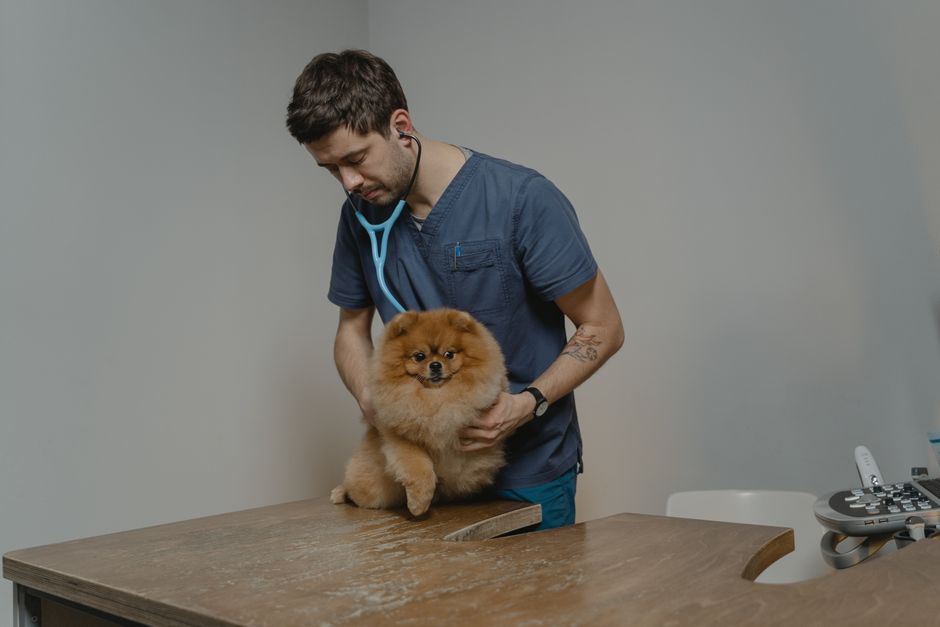
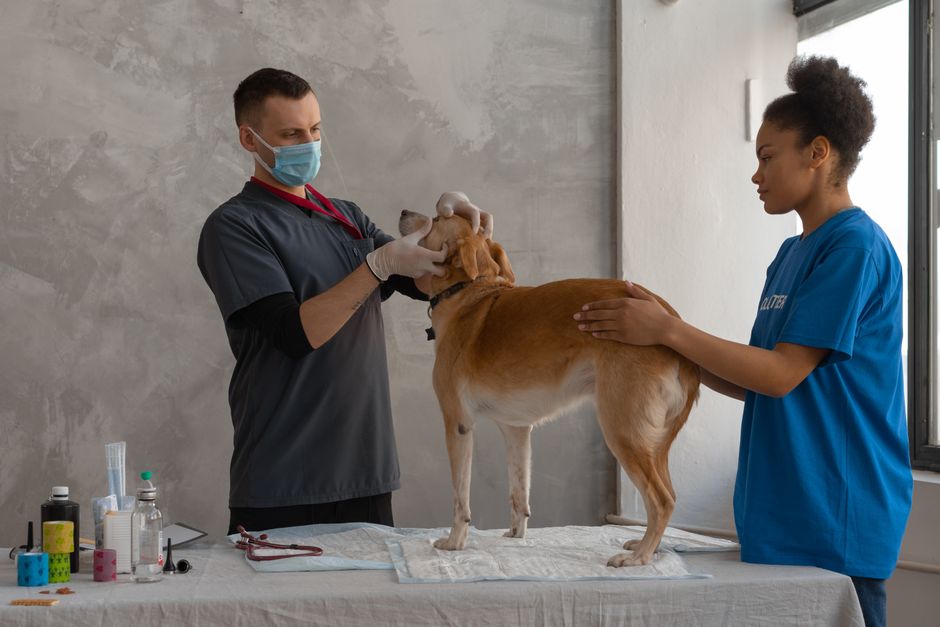
At Wasatch Hollow Animal Hospital, our veterinarian and veterinary professionals take a comprehensive approach to diagnosing spring allergies. The process typically starts with a thorough physical exam, during which we look for patterns of skin irritation, signs of infection, and other clues that point toward environmental triggers. We will ask about your pet’s lifestyle, diet, and any changes in their routine that might contribute to symptoms.
For many pets, allergy testing can help identify specific triggers and guide targeted management. Our allergy testing services are designed to pinpoint the substances causing your pet’s discomfort, enabling us to develop a personalized care plan.
Treatment Approaches for Spring Allergies
Treatment for springtime allergies involves a combination of relieving symptoms, reducing exposure to allergens, and addressing any secondary infections. Common strategies include medicated shampoos or wipes to remove pollen from the coat and soothe inflamed skin. Prescription medications, such as antihistamines or anti-itch drugs, may be recommended for pets with moderate to severe symptoms. In some cases, allergy injections or oral immunotherapy are used to gradually desensitize the immune system to specific allergens.
When skin infections are present, appropriate antibiotics or antifungal medications are prescribed. Ear infections, a frequent complication of allergies, require prompt treatment to prevent ongoing discomfort or hearing loss. Our veterinary team will work with you to monitor your pet’s progress and adjust the treatment plan as needed to ensure long-term relief.
Home Care and Prevention Tips for Spring Allergies
Helping your pet cope with spring allergies often involves simple changes to your daily routine. Regular bathing with a veterinarian-approved shampoo can help remove pollen and soothe irritated skin. Wiping your dog’s paws and belly after walks, especially on high-pollen days, reduces the amount of allergen brought indoors. Using an air purifier at home and keeping windows closed during peak pollen times can also make a difference. For cats, frequent bedding changes and vacuuming can minimize exposure.
Diet can play a supporting role in skin health, so feeding a high-quality diet rich in omega-3 fatty acids may help strengthen your pet’s natural defenses. Additionally, scheduling a wellness examination each spring allows your veterinarian to detect early signs of allergies and recommend preventive strategies before symptoms escalate.
Ongoing Management for Chronic Allergy Sufferers
If your pet experiences allergies year after year, long-term management may be necessary. This could involve regular use of specific medications during peak seasons, monitoring for skin infections, and adjusting your pet’s environment to reduce allergen load. Our veterinary team can provide guidance on the best products and techniques for your individual pet and lifestyle.
When to Seek Veterinary Care for Allergy Symptoms
While mild itching or occasional sneezing may not require immediate veterinary attention, certain signs should prompt a visit to Wasatch Hollow Animal Hospital. If your pet is scratching so much that they break the skin, develops raw or bleeding areas, or shows signs of pain, these are reasons for concern. Persistent ear infections, noticeable hair loss, or changes in behavior, such as increased irritability or lethargy, also warrant prompt evaluation. Allergic reactions can occasionally cause swelling of the face or difficulty breathing, which are emergencies and require immediate care.
If you are unsure whether your pet’s symptoms are due to allergies or something more serious, our veterinary professionals are here to help. Timely intervention can relieve discomfort, prevent complications, and restore your pet’s quality of life.
Supporting Ogden’s Pets Through Allergy Season
Spring allergies are a common challenge for pets in Ogden and surrounding communities, but you do not have to manage them alone. Our veterinarian and team at Wasatch Hollow Animal Hospital are committed to providing the compassionate, expert care your pet deserves all year long. From diagnosis and treatment to preventive advice, we are here to help your pet enjoy every season to the fullest.
If your dog or cat is struggling with itching, skin problems, or any other signs of spring allergies, we encourage you to schedule an appointment with our experienced veterinary team. Visiting a vet near me who understands local allergy challenges can make all the difference in your pet’s comfort and health. To book your consultation or learn more about our services, call us at (801) 689-2244 or visit our Ogden location. With attentive care, personalized treatment, and a focus on prevention, we will help your pet have a happy, healthy spring.
This article is for informational purposes only and is not a substitute for professional veterinary care. Always consult your veterinarian regarding your pet’s health. For additional pet health resources, visit our Pet Education Center.