
How to Keep Your Cat Cozy and Healthy This Fall
.jpg)
How to Keep Your Cat Cozy and Healthy This Fall
As autumn arrives in Ogden and the mountain air turns crisp, many cat owners find themselves wondering how best to care for their feline companions during the cooler months. At Wasatch Hollow Animal Hospital, located at 4300 Harrison Blvd., Suite 5, Ogden, UT 84403, we understand how important it is to keep your cat comfortable, healthy, and happy as the seasons change. Whether your cat spends most of their time indoors or enjoys supervised outdoor adventures, fall presents unique challenges and opportunities for feline wellness. In this guide, we will explore how to recognize seasonal health concerns, why these issues may arise, and the steps you can take to help your cat stay cozy and well. Our veterinary team is here to support the Ogden community with preventive care, diagnostic services, and practical advice for every stage of your cat’s life.
Recognizing Fall Health Challenges for Cats
As temperatures drop and days become shorter, cats may face a variety of seasonal issues that can affect their overall wellbeing. Some cats may develop dry skin or experience changes in their coat due to reduced humidity and indoor heating. It is also not uncommon for cats to have decreased activity levels as they seek warmth and comfort, leading to weight gain if their diet is not adjusted. Cold drafts and chilly floors can make older or arthritic cats stiffer and less mobile. Additionally, indoor cats may become bored as windows close and natural sunlight diminishes, increasing the risk of behavioral issues or stress.
Common signs that your cat may be struggling with the change in season include increased shedding, dandruff, or changes in fur texture. You might notice your cat sleeping in unusual places, such as tucked behind appliances or beneath blankets, in an effort to stay warm. Cats with arthritis or joint discomfort may become less playful, hesitate to jump onto furniture, or groom themselves less thoroughly. Watch for subtle changes in appetite, litter box habits, or social behavior, as these can also point to underlying health concerns that may be amplified by colder weather.
Why Fall Weather Can Affect Your Cat’s Health
Understanding the reasons behind these seasonal changes can help you better support your cat. As the weather cools in Ogden, both indoor and outdoor environments shift. Indoor heating systems can dry out the air, leading to irritated skin and static in your cat’s fur. Outdoor cats or those that enjoy fresh air through open windows may lose access to their favorite sunbathing spots, reducing natural warmth and stimulation.
For senior cats or those with chronic conditions like arthritis, cold temperatures can aggravate joint stiffness. Cats rely on routine, and fall’s shorter days may disrupt their natural circadian rhythms, leading to changes in sleep, appetite, or mood. Fall is also a common season for respiratory viruses and other infectious diseases, as more time spent indoors can increase exposure risk, especially in multi-cat households or boarding settings.
Another seasonal risk is the increased use of household products such as antifreeze, rodenticides, and certain fall plants that are toxic to cats. Even indoor cats can be exposed to these hazards if products are brought inside on shoes or clothing. Maintaining a safe, clean environment is especially important as your cat spends more time indoors during the fall.
Professional Veterinary Support for Fall Wellness
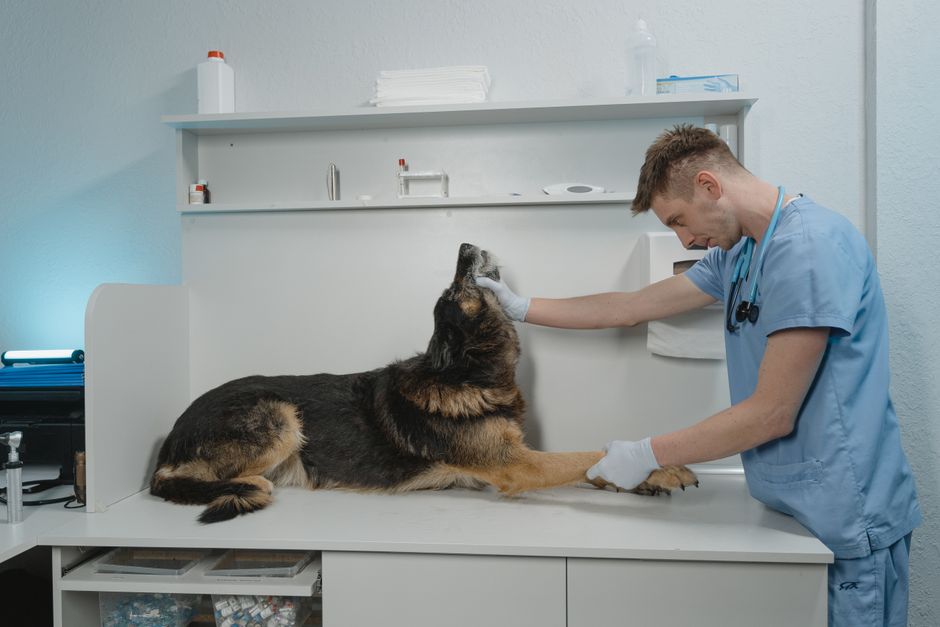
Seasonal transitions are the perfect time to schedule a wellness examination for your cat. Regular veterinary checkups allow our team to monitor your cat’s weight, coat condition, and overall health as the weather changes. During a fall exam, we may discuss your cat’s diet and activity level to prevent seasonal weight gain and ensure joint health. Our veterinarians can also recommend safe grooming practices to minimize shedding and reduce skin irritation, as well as identify early signs of arthritis or other medical conditions that may worsen in cooler temperatures.
Immunity support is vital during fall, when respiratory infections can become more common. Keeping up with pet vaccination services is an essential part of protecting your cat from preventable illnesses, especially if your cat boards, attends grooming appointments, or lives in a multi-cat home. If you plan to travel or need to board your cat, choosing a facility like Wasatch Hollow Animal Hospital provides peace of mind; our veterinary professionals are available during office hours to monitor your cat, administer medications, and address any health issues that arise.
For more information on how routine veterinary visits can address seasonal health needs, visit our wellness examination page.
Keeping Your Cat Cozy at Home
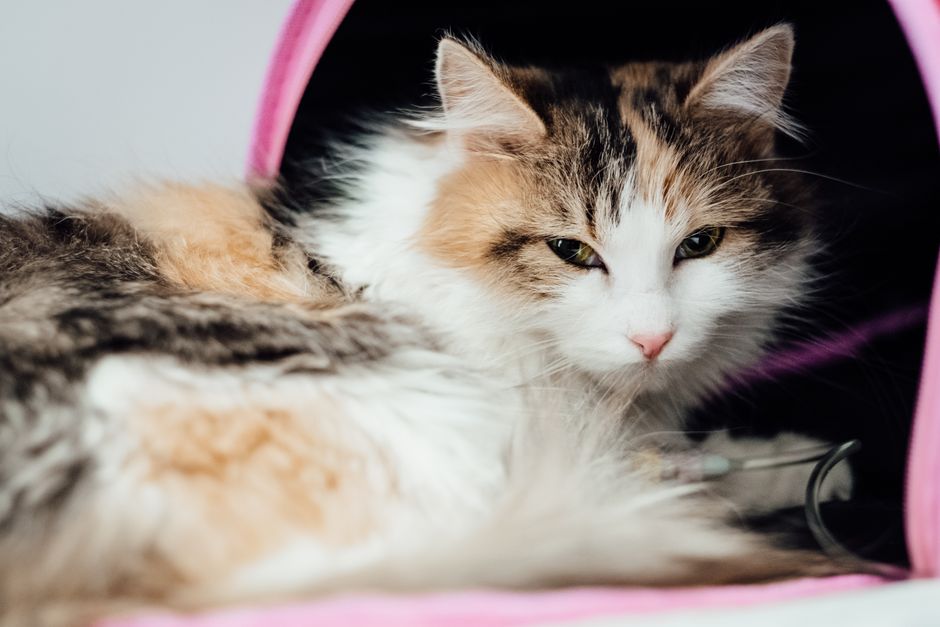
At home, there are several ways you can help your cat stay comfortable and healthy through the fall. Offer multiple, cozy resting spots away from drafts. Cats love warmth, so placing a soft bed near a sunny window or providing a heated pet mat can make a big difference, especially for older cats. Ensure your cat’s favorite napping areas are kept clean and dry, and avoid placing beds directly on cold floors.
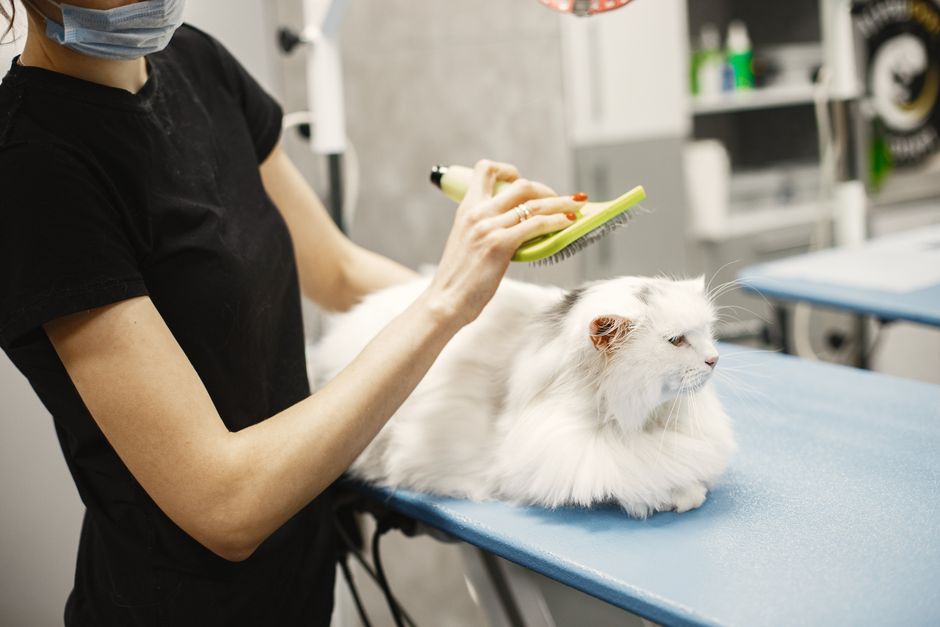
Maintaining a consistent feeding schedule and measuring portions carefully can prevent unwanted weight gain as your cat becomes less active. Engage your cat with interactive toys, puzzle feeders, or gentle play sessions to keep them mentally and physically stimulated even when outdoor time is limited. Regular grooming at home helps remove loose fur and supports skin health, reducing the risk of matting or dandruff. For cats that struggle with grooming or have long coats, professional grooming services can help manage seasonal shedding.
Hydration is just as important in the fall as it is in summer. Heated homes can cause mild dehydration, so make sure your cat always has access to fresh, clean water. Some cats prefer running water, so a pet fountain may encourage them to drink more. Additionally, monitor your cat’s litter box habits for any changes that could signal health issues.
Preventing Seasonal Health Issues
Prevention is always easier than treatment. Keeping your cat indoors during the chillier months reduces the risk of injury, exposure to toxins, and contact with contagious illnesses. If your cat enjoys outdoor time, consider limiting their outings to the warmest parts of the day and supervise closely. Check for signs of frostbite or cold-related discomfort, especially on ears and paw pads.
Maintain regular parasite prevention, as fleas and ticks can still pose a risk in the fall, particularly in areas with mild winters. Regular cleaning of bedding, food bowls, and litter boxes helps minimize exposure to germs and allergens. For homes with fireplaces or space heaters, always ensure your cat cannot get too close to heat sources to avoid burns.
Educating yourself on feline wellness is a powerful way to protect your cat. Explore our pet health education resources for additional tips on seasonal care, nutrition, and behavioral enrichment.
When to Seek Veterinary Care
There are certain times when home care is not enough, and a visit to your veterinarian is necessary. If your cat shows persistent lethargy, breathing difficulties, significant changes in appetite or weight, or symptoms such as coughing, sneezing, or discharge from the eyes or nose, it is important to schedule an appointment promptly. Sudden lameness, reluctance to move, or signs of pain in older cats should also be evaluated, as these may indicate worsening arthritis or injury.
If you notice unusual grooming behavior, bald patches, or skin lesions, your cat may be suffering from allergies, parasites, or infection that requires professional treatment. Any exposure to household toxins, antifreeze, or plants that are potentially hazardous should be reported to your veterinarian immediately, even if your cat seems unaffected at first.
Our veterinary team at Wasatch Hollow Animal Hospital is here to provide compassionate, thorough care for your cat throughout the fall and beyond. Scheduling regular checkups and reaching out at the first sign of trouble helps ensure your cat enjoys a healthy, comfortable season.
Expert Fall Cat Care in Ogden and Surrounding Communities
As the leaves change and temperatures fall, taking a proactive approach to your cat’s health can make all the difference. By recognizing seasonal risks, understanding why they arise, and working closely with your veterinary professionals, you can keep your cat cozy and thriving all autumn long. If you have questions about your cat’s fall wellness, need guidance on nutrition or grooming, or would like to schedule a wellness examination, our team at Wasatch Hollow Animal Hospital is ready to help.
When searching for a veterinarian near me, it is important to choose a practice that truly cares about your cat’s comfort and wellbeing. Our team is committed to providing the highest standard of care in Ogden and surrounding communities. Call us at (801) 689-2244 or visit our practice location to schedule your cat’s fall checkup or to learn more about our services. You can also explore our wellness examination and pet health education resources for more information on keeping your feline friend healthy all season. Your cat deserves a safe, warm, and joyful fall—let us partner with you to make it happen.