
Recognizing Signs of Illness in Cats and Dogs
.jpg)
Recognizing Signs of Illness in Cats and Dogs
When you share your life with a dog or cat, you become attuned to their daily routines and unique personalities. But even the most observant pet owners can struggle to know when a subtle change in behavior is a sign of illness that needs veterinary attention. At Wasatch Hollow Animal Hospital in Ogden, UT, our veterinary team is passionate about helping you keep your companions healthy through proactive care and expert guidance. In this blog, we’ll walk you through how to recognize early signs of illness in cats and dogs, why these changes matter, and what steps you should take if you notice them. You’ll also learn how our comprehensive services, from routine exams to advanced diagnostics, can help catch problems early and support your pet’s health at every stage of life.
If you ever wonder whether it’s time to call your veterinarian, you’re not alone. Many pet owners hesitate, hoping symptoms will resolve on their own. However, prompt recognition and timely intervention often lead to better outcomes. Read on for practical advice from our Ogden veterinary team, including which signs deserve immediate attention and how our wellness examinations can make a difference.
How to Tell If Your Dog or Cat Is Sick
Subtle and Overt Signs to Watch For
Dogs and cats can’t tell us when something is wrong, so it’s up to you to notice the clues. Common signs that may indicate illness include changes in appetite, such as refusing food or ravenous hunger, which can point to metabolic, digestive, or dental issues. Vomiting or diarrhea, especially if persistent, are also red flags. Lethargy is another signal; if your typically active dog seems disinterested in walks or your playful cat is hiding more than usual, these behavior changes can reflect discomfort or pain.
Additional symptoms to be aware of are persistent coughing, sneezing, or labored breathing, which may suggest respiratory or cardiac problems. Unexplained weight loss or gain, increased thirst or urination, and changes in grooming habits—like a cat neglecting its coat—are often seen in underlying medical conditions. Watch for signs of pain, such as limping, reluctance to jump, or vocalizing when touched. Other indicators include persistent bad breath, drooling, swelling around the mouth, or any visible wounds. Cats, in particular, tend to hide pain or illness, so subtle shifts in behavior or hygiene should not be overlooked.
Understanding Why Illness Signs Appear
The Natural Instincts of Dogs and Cats
It’s important to know that many pets instinctively hide signs of illness, a behavior inherited from their wild ancestors to avoid appearing vulnerable. This can make it challenging to catch problems early. What might start as mild digestive upset, for example, could progress to more severe disease if not addressed. Aging pets, in particular, are prone to developing chronic conditions such as arthritis, kidney disease, or dental problems that manifest gradually.
Environmental factors also play a role. Changes in weather, exposure to toxins, new pets, or stress from moving homes can trigger illness or exacerbate existing conditions. In Ogden and surrounding communities, seasonal allergens can contribute to skin and respiratory issues in sensitive pets. Infectious diseases, parasites, and exposure to other animals at parks or boarding facilities can also place your dog or cat at risk.
Veterinary Treatment and Management for Sick Pets
What to Expect at a Veterinary Visit
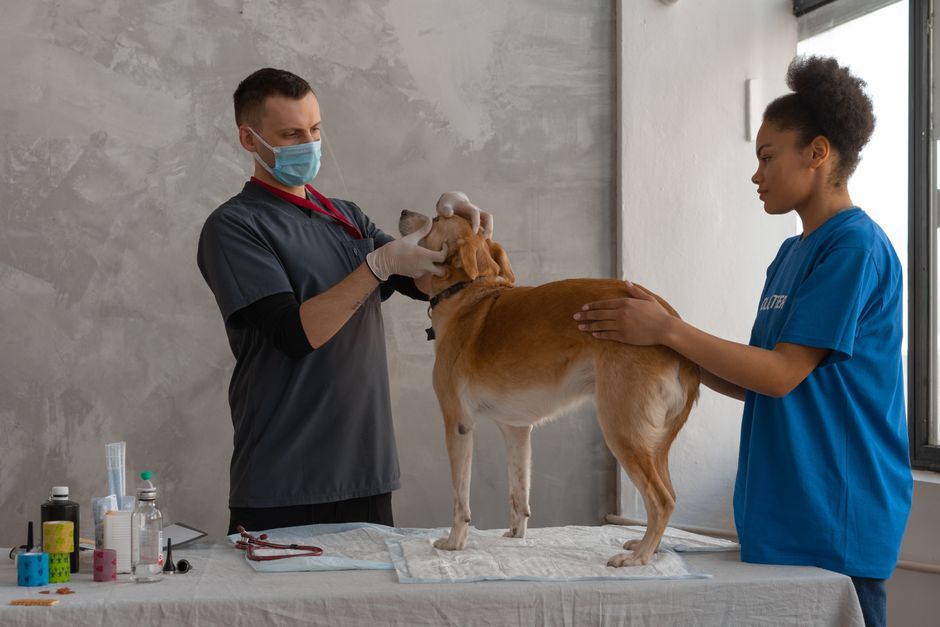
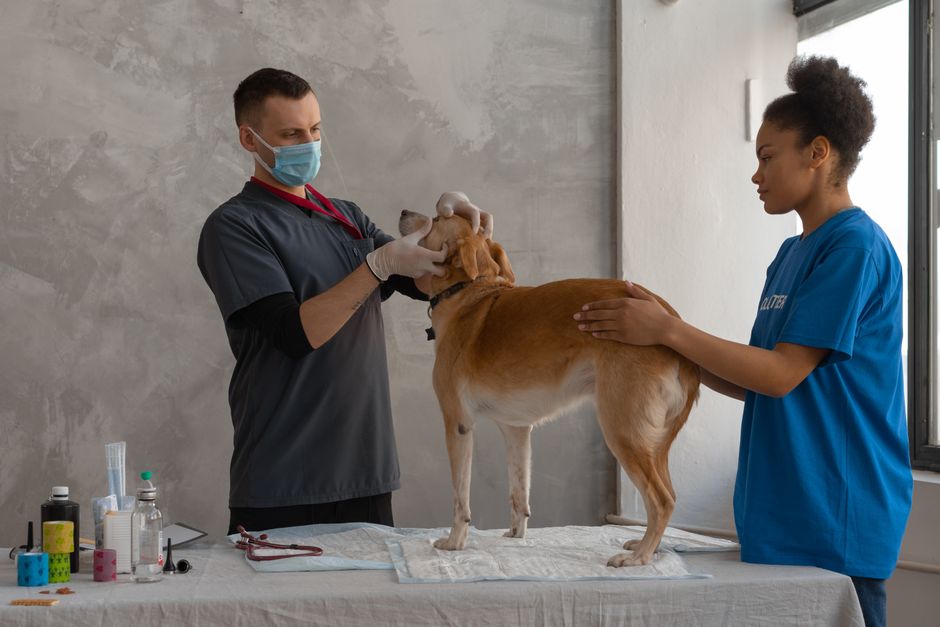
When you notice signs of illness, scheduling an appointment with a trusted veterinarian is the best way to ensure your pet receives the care they need. At Wasatch Hollow Animal Hospital, our veterinary professionals begin with a thorough history and physical examination. We may recommend laboratory tests to screen for infections, organ dysfunction, or metabolic imbalances. Our in-house diagnostic laboratory allows us to quickly analyze blood, urine, and fecal samples, providing timely answers.
Treatment options vary depending on the diagnosis. Simple issues, such as mild infections or minor injuries, may be managed with medication and rest. More complex conditions—like diabetes, kidney disease, or orthopedic injuries—require a tailored approach that can include dietary changes, long-term medication, dental care, or even surgery. We offer advanced procedures such as dental repair, orthopedic surgery, and pain management to address a range of health problems. Throughout your pet’s care journey, our goal is to keep you informed, answer your questions, and provide compassionate support.
Supporting Your Pet’s Health at Home
Practical Steps for Prevention and Early Intervention
Preventing illness starts with regular wellness examinations, which allow our veterinary team to identify issues before they become serious. At home, monitoring your pet’s appetite, activity level, and bathroom habits is key. Creating a daily routine helps you spot changes quickly. Keep vaccinations and parasite prevention up to date, and ensure your pet has access to clean water and a balanced diet.
Oral health is often overlooked but plays a significant role in overall well-being. Regular dental cleanings and checking your pet’s mouth for tartar, redness, or broken teeth can prevent painful dental disease. For indoor cats, providing enrichment and minimizing stress supports both physical and emotional health. Dogs benefit from regular exercise, mental stimulation, and safe socialization. If you board your pet or use grooming services, choose facilities—like ours in Ogden—that offer veterinary supervision and a commitment to animal welfare.
Learning more about pet health is another great preventive step. Our Pet Education Center offers resources to help you recognize illness signs, understand preventive care, and make informed decisions for your dog or cat.
When to Seek Veterinary Care: Knowing When It’s Time
Red Flags That Require Prompt Attention
Some symptoms warrant immediate veterinary attention. These include difficulty breathing, collapse, repeated vomiting or diarrhea, seizures, bleeding that doesn’t stop, or inability to urinate. Sudden, severe pain—such as yelping, limping, or unwillingness to move—should also prompt a call to your veterinarian. For less urgent changes, such as mild appetite loss or a single episode of vomiting, monitor your pet closely and schedule a visit if the issue persists or worsens.
Delaying care can allow conditions to progress, making treatment more challenging and costly. If you are unsure whether your pet’s symptoms require same-day attention, our urgent care services are available to address immediate concerns. Always trust your instincts; you know your pet best, and early intervention is the key to a positive outcome.
Your Partner for Pet Health in Ogden
Recognizing the early signs of illness in your cat or dog is one of the most important things you can do as a pet owner. By staying alert to changes in appetite, activity, bathroom habits, and behavior, you can help catch problems before they become serious. Routine wellness examinations, preventive care, and timely veterinary visits are the foundation of a long, healthy life for your companion.
If you notice any unusual symptoms or simply want peace of mind, we invite you to schedule an appointment with our compassionate team at Wasatch Hollow Animal Hospital. Our veterinarians are dedicated to providing high-quality care for dogs and cats throughout Ogden and the surrounding communities. When searching for a veterinarian near me, look for a clinic that combines advanced medical services with genuine concern for your family’s well-being.
To book a visit or learn more about our services, call us at (801) 689-2244 or stop by our convenient location at 4300 Harrison Blvd., Suite 5, Ogden, UT 84403. For more tips on keeping your pet healthy, visit our Pet Education Center. We look forward to being your trusted partner in every stage of your pet’s life.