Essential Fall Dental Care Tips for Ogden Dogs and Cats
.jpg)
Essential Fall Dental Care Tips for Ogden Dogs and Cats
As the crisp air settles in over Ogden and the days grow shorter, fall becomes a perfect time to give extra attention to your pet’s dental health. At Wasatch Hollow Animal Hospital, our team understands that your dog or cat’s oral hygiene plays a crucial role in their overall wellbeing. Dental care is often overlooked, yet it can prevent pain, bad breath, and even serious health issues that could affect your pet’s heart, kidneys, or liver. In this guide, we’ll walk you through the signs of dental problems to watch for, why dental disease develops, what professional care involves, and how you can keep your pet’s teeth healthy at home. Whether you’re an experienced pet owner or new to caring for a puppy or kitten, our Ogden-based veterinary team is here to support you every step of the way.
If you have questions about pet dental cleanings or want to learn more about comprehensive veterinary dentistry services for dogs and cats, you’ll find expert guidance and compassionate care at our conveniently located 4300 Harrison Blvd., Suite 5, Ogden, UT 84403.
Recognizing Dental Problems in Your Dog or Cat
Many pet owners are surprised to learn that dental disease is one of the most common health issues in both dogs and cats. It can be easy to overlook subtle signs, especially during the busy fall season. Key symptoms include persistent bad breath, visible tartar or discoloration on teeth, red or swollen gums, difficulty chewing, pawing at the mouth, dropping food, and changes in eating habits. Pets with dental pain may also become irritable or less playful, and in severe cases, you might notice facial swelling or bleeding from the mouth.
Cats, in particular, are experts at hiding discomfort. If your cat suddenly prefers soft food, avoids crunchy treats, or grooms less frequently, dental discomfort may be the culprit. Likewise, dogs may chew with only one side of the mouth or lose interest in favorite toys. Paying close attention to these early warning signs can help you address dental issues before they progress to more serious conditions.
Why Dental Disease Develops: Understanding the Risks
Dental disease in pets develops much like it does in humans. Plaque, a sticky film of bacteria, coats the teeth after meals. If not removed through regular cleaning, plaque hardens into tartar, which irritates the gums and allows bacteria to invade below the gumline. Over time, this leads to inflammation known as gingivitis, and eventually to periodontal disease. In fall, as pets spend more time indoors or enjoy seasonal treats, their risk for dental issues can increase if home care routines lapse.
Age, breed, and individual health can all influence your pet’s risk. Small breed dogs and some cats are particularly prone to dental problems due to tooth crowding or genetic predisposition. Pets with weakened immune systems or underlying conditions such as diabetes may also be more susceptible. Environmental factors, such as a diet of only soft foods or lack of access to dental chews, can accelerate plaque buildup.
Understanding these risks emphasizes why regular dental care is so important. Taking a proactive approach can help ensure your dog or cat’s smile stays healthy not just this fall, but for years to come.
Professional Dental Care: What to Expect at Wasatch Hollow Animal Hospital
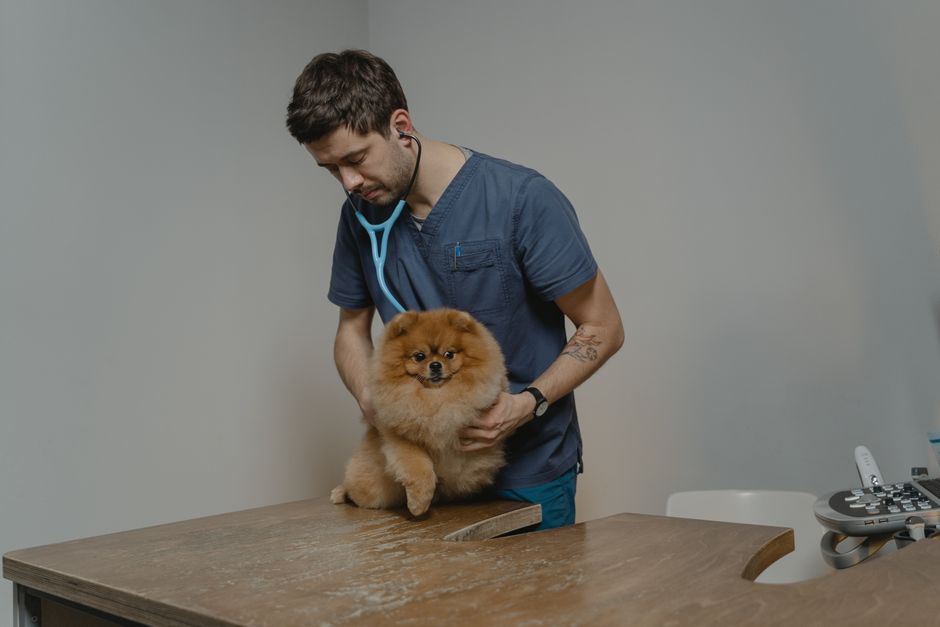
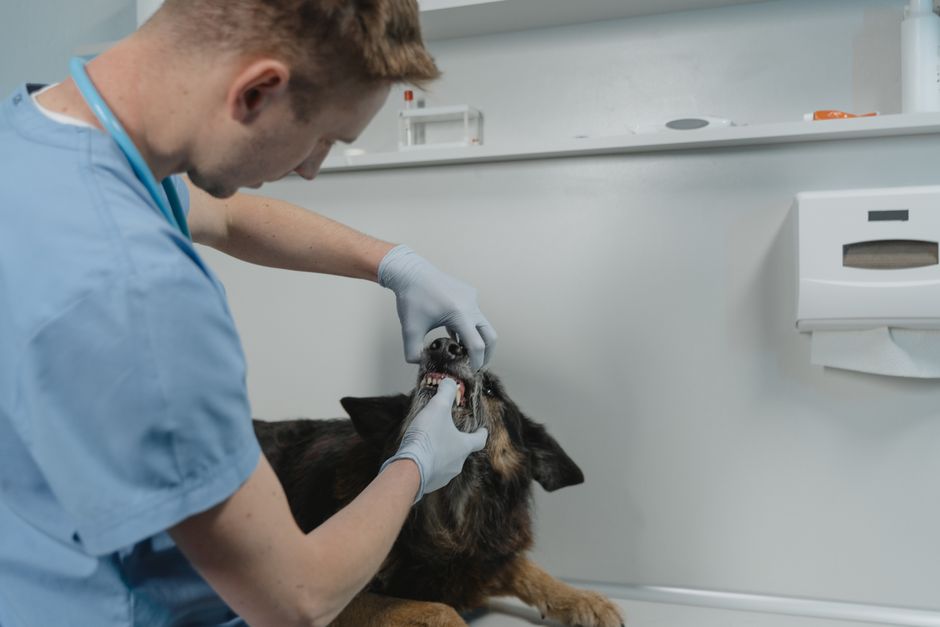
When it comes to maintaining your pet’s oral health, professional dental care is essential. At Wasatch Hollow Animal Hospital in Ogden, we recommend annual dental examinations as part of your pet’s preventive health plan. During a dental exam, our veterinarian will assess your dog or cat’s teeth and gums for signs of disease, pain, or infection. If a dental cleaning is needed, we use gentle, safe anesthesia to allow a thorough cleaning above and below the gumline—where most dental disease begins.
Our services include professional dental cleaning, digital dental radiographs to evaluate tooth roots and jawbone health, and advanced procedures like pet tooth extractions or pet oral surgery if necessary. Dental radiography is especially valuable for detecting hidden problems such as abscesses or bone loss that are not visible during a visual exam. The entire process is managed with your pet’s safety and comfort in mind, and our team will discuss any findings or recommendations with you after the procedure.
In addition to cleaning and treating dental problems, we also offer dental repair and endodontic services for more complex cases. Our goal is to restore your pet’s mouth to a pain-free, healthy state so they can continue to enjoy their favorite foods and activities throughout the fall and beyond.
Home Dental Care: Simple Steps for a Healthier Smile
While professional dental care is key, what you do at home is just as important in preventing dental disease. Brushing your pet’s teeth regularly is the gold standard. Pet-safe toothbrushes and toothpaste are designed to be gentle on your dog or cat’s mouth and come in flavors pets enjoy. Start by letting your pet sniff and taste the toothpaste, then gradually introduce brushing in short sessions. Consistency is crucial—even brushing a few times a week can make a significant difference.
Dental chews, water additives, and dental diets can provide additional support for oral hygiene, especially for pets who are resistant to brushing. Always select products with the Veterinary Oral Health Council (VOHC) seal, which indicates proven effectiveness. Offering safe chew toys can also help reduce plaque and tartar, but avoid hard objects like bones or antlers that can crack teeth.
Maintaining a routine is easier in the fall, as schedules return to normal after summer travel. Make dental care part of your daily pet care ritual, perhaps after your evening walk or before your cat’s bedtime treat. Regularly inspect your pet’s mouth for any changes such as red gums, loose teeth, or new odors, and jot down any concerns to discuss during your next veterinary visit.
When to Schedule a Veterinary Dental Visit
Knowing when to seek professional help can make all the difference in your pet’s health and comfort. If you notice persistent bad breath, visible tartar, red or bleeding gums, loose or missing teeth, swelling around the mouth, or any signs of oral pain, it’s time to schedule an appointment. Changes in eating habits, drooling, or reluctance to play with chew toys are also red flags that should not be ignored.
Some dental problems progress silently, so even if your pet seems fine, annual dental exams are recommended. Fall is an excellent season to schedule this care, as it sets your pet up for better health before the busy holiday period. Our veterinary professionals can identify issues that may not be visible to the naked eye and provide tailored recommendations to keep your pet’s mouth healthy.
At Wasatch Hollow Animal Hospital, we are always happy to answer your questions and help you create a personalized dental care plan for your dog or cat. If you are searching for a "vet near me" who provides gentle, thorough dental care, our Ogden team is ready to help.
Supporting Your Pet’s Dental Health Year-Round
Dental health is a lifelong commitment, but with the right guidance and support, you can keep your pet’s smile bright all year long. Regular at-home care, combined with professional dental cleanings and exams, will help prevent discomfort and serious health complications. Our veterinary team at Wasatch Hollow Animal Hospital is dedicated to providing comprehensive, compassionate dental care for dogs and cats in Ogden and the surrounding communities.
If you have questions about your pet’s oral health, want to learn more about dental radiography services for pets, or are ready to schedule a dental exam, we invite you to call us at (801) 689-2244. You can also visit us at our Ogden location for more information. Every season is the right time to prioritize your dog or cat’s dental health, and our veterinary professionals are here to help you every step of the way.
Disclaimer: This article is intended for informational purposes only and should not replace professional veterinary advice. Always consult your veterinarian for specific recommendations regarding your pet’s health and dental care.