
When to See a Cat Allergy Vet in Ogden
.jpg)
When to See a Cat Allergy Vet in Ogden
If your cat has been sneezing, scratching, or losing fur lately, you are not alone—many pet owners in Ogden and surrounding communities face similar concerns about their cats’ comfort and health. Allergies in cats can show up in subtle ways, sometimes making it difficult to know when to seek professional help. At Wasatch Hollow Animal Hospital, we understand how distressing it can be to watch your feline family member struggle with unexplained symptoms. Dr. Howard and our veterinary team are dedicated to providing compassionate, expert care for every stage of your cat’s life, including the diagnosis and management of allergies. In this guide, we will walk you through the common signs of cat allergies, what causes them, when to seek care from a cat allergy vet, and how we can help your cat feel better. Whether your cat is a playful kitten or a dignified senior, understanding how to recognize and respond to allergy symptoms is essential for their well-being.
Recognizing the Signs of Cat Allergies
Spotting allergies in cats is not always straightforward, as signs can mimic other health issues. Key symptoms include frequent sneezing, watery eyes, and excessive scratching. Some owners notice their cat is grooming so much that fur begins to thin or bald spots develop. Other signs to watch for are red or inflamed skin, scabs, and ear infections that do not resolve with routine cleaning. Additionally, gastrointestinal symptoms like vomiting or diarrhea can sometimes be linked to allergies, especially if a food ingredient is the culprit. If your cat’s symptoms keep coming back or seem to get worse seasonally, allergies may be to blame. Pay close attention to behaviors like rubbing the face on furniture, licking paws, or sudden changes in activity—these can all point to your cat feeling uncomfortable due to allergies.
Cats can also have more subtle indicators of allergies, such as a dull or greasy coat, persistent head shaking, or frequent paw chewing. In some cases, you might notice your cat seems less interested in play or is hiding more than usual, which can signal underlying discomfort. Because these symptoms can sometimes be caused by other conditions, it is important not to ignore persistent changes in your cat’s behavior or appearance.
What Causes Allergies in Cats?
Allergies in cats occur when the immune system reacts to substances that are normally harmless. These can include environmental allergens, food ingredients, or even fleas. In Ogden, common environmental triggers are pollen from local trees and grasses, dust mites, molds, and household chemicals. Cats that spend time outdoors may encounter additional irritants, while strictly indoor cats are not immune—indoor allergens can be just as troublesome.
Food allergies often develop over time, even in cats that have been eating the same brand of food for years. Proteins like chicken, beef, or fish are common sources, but additives and fillers can also play a role. Flea allergy dermatitis is another frequent cause; even a single flea bite can set off a severe reaction in sensitive cats. Itching and skin problems that persist despite regular flea prevention deserve extra attention from a cat allergy vet.
It is also worth noting that some cats are genetically predisposed to allergies. Certain breeds, such as Siamese or Burmese, appear more likely to develop allergic conditions, though any cat can be affected. Environmental changes—like moving to a new home or bringing in new carpeting—can sometimes trigger symptoms if your cat has underlying sensitivities.
Treatment and Management: How a Cat Allergy Vet Can Help
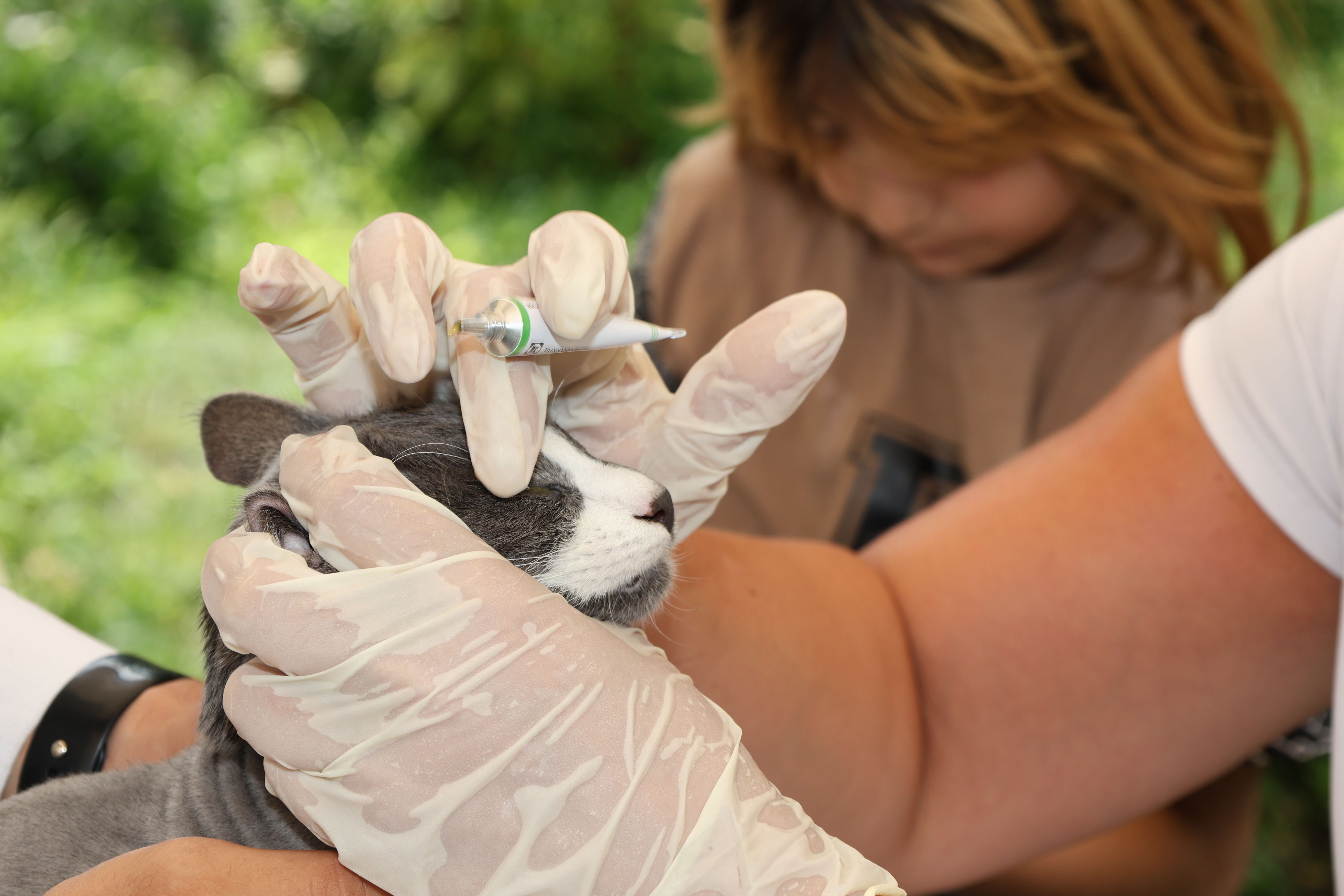
When you bring your cat to see a cat allergy vet at Wasatch Hollow Animal Hospital, our first step is a thorough examination. We will review your cat’s history and symptoms, and may recommend diagnostic tests such as skin or blood testing, food elimination trials, or even biopsies if the skin is significantly affected. Our goal is to identify the underlying cause so that we can create a customized treatment plan.
Treatment options involve several approaches. For environmental allergies, management often includes regular bathing with gentle, hypoallergenic shampoos, using air purifiers, and minimizing exposure to known triggers. Medications such as antihistamines, corticosteroids, or immune-modulating drugs may be prescribed to control inflammation and itching. In some cases, allergy shots (immunotherapy) can help desensitize your cat to specific allergens over time.
For food allergies, the process typically begins with a strict elimination diet. This means feeding your cat a novel or hydrolyzed protein diet under veterinary supervision, then gradually reintroducing foods to identify the trigger. Treating flea allergy dermatitis requires rigorous flea prevention for all pets in the household, along with medication to relieve itching and heal the skin.
No matter the cause, our veterinary team works closely with you to monitor your cat’s progress and adjust the treatment plan as needed. Some cats respond quickly to therapy, while others may require ongoing management to keep symptoms under control. At Wasatch Hollow Animal Hospital, we are committed to helping your cat live a comfortable, happy life.
Home Care and Prevention Tips for Cat Allergies
Supporting your cat at home is a vital part of managing allergies. Steps include regular grooming to remove loose fur and allergens, washing bedding frequently in hot water, and vacuuming carpets and upholstery to reduce dust and dander. Using unscented, low-dust litter can help if your cat’s allergies seem linked to the litter box. Keeping windows closed during high pollen seasons and using air purifiers can further minimize environmental triggers.
When it comes to food allergies, always consult your veterinarian before making major dietary changes. Introduce new foods slowly and watch for any signs of reaction. For cats prone to flea allergies, maintain a consistent flea prevention program year-round, even during the colder months, since fleas can persist indoors.
Pay attention to any new cleaning products, candles, or air fresheners in your home, as strong fragrances can aggravate sensitive cats. Monitor your cat’s skin and coat regularly for any changes, and keep track of symptoms in a notebook or on your phone—this information can be invaluable for your cat allergy vet during appointments.
When to Seek Veterinary Care for Your Cat’s Allergies
It can be difficult to know when to make an appointment with a cat allergy vet versus managing mild symptoms at home. Generally, you should contact our veterinary team if your cat is experiencing persistent itching, hair loss, skin lesions, or repeated ear infections. If symptoms interfere with your cat’s eating, sleeping, or daily activity, veterinary attention is warranted. Sudden swelling of the face or paws, difficulty breathing, or severe lethargy are emergencies—seek immediate veterinary care if you notice any of these signs.
Even if symptoms are mild, chronic allergies can lead to secondary infections or long-term discomfort if left untreated. Early intervention by a cat allergy vet helps prevent complications and improves your cat’s quality of life. Our veterinarians can provide relief for your cat and peace of mind for you, using the latest diagnostic and treatment options available in Ogden.
If you are searching for a “vet near me” because your cat’s allergies are getting worse or not responding to home care, look for a local animal hospital that provides comprehensive allergy services. The team at Wasatch Hollow Animal Hospital is here to support you and your feline companion every step of the way.
Your Cat Allergy Vet in Ogden: Supporting Your Cat’s Health
Dealing with cat allergies can be overwhelming, but you do not have to manage it alone. The dedicated veterinarians at Wasatch Hollow Animal Hospital in Ogden are ready to help you understand your cat’s symptoms, find answers, and develop a plan for relief. Whether your cat needs diagnostic testing, medication, or long-term allergy management, we offer personalized care in a comfortable and supportive environment.
To schedule an appointment with a trusted cat allergy vet, contact our office at (801) 689-2244. We are conveniently located in Ogden, UT and serve families throughout the surrounding communities. Our team is committed to helping every cat live life to the fullest—free from the discomfort of persistent allergies. If you are searching for a veterinarian near me who truly understands the needs of cats, Wasatch Hollow Animal Hospital is here for you and your feline friend. Reach out today to give your cat the comfort and care they deserve.
If you have concerns about your cat’s health, always consult with a veterinarian for a proper diagnosis and treatment plan. This article is for informational purposes only and should not replace professional veterinary advice.