Protecting Pets From Heatstroke: Summer Safety Tips for Ogden Owners
.jpg)
Protecting Pets From Heatstroke: Summer Safety Tips for Ogden Owners
As summer temperatures rise in Ogden and across northern Utah, it’s only natural for pet owners to worry about how the heat might affect their dogs and cats. At Wasatch Hollow Animal Hospital, we know how important it is to keep your pets cool, comfortable, and healthy during the hottest months of the year. Heatstroke is a serious, potentially life-threatening emergency that can develop quickly in pets, especially during outdoor play, walks, or even while relaxing in the backyard. Understanding how to recognize, prevent, and respond to heat-related dangers is essential for every pet owner in our community. In this blog, we’ll discuss the warning signs of heatstroke in dogs and cats, explain why pets are especially vulnerable in Utah’s summer conditions, outline what to do if you suspect your pet is overheating, and share practical prevention tips to help you and your four-legged family members enjoy a safe, happy summer. If you ever have questions about your pet’s risk for heatstroke or need help keeping them safe in the heat, our team of veterinarians at Wasatch Hollow Animal Hospital is here for you.
Recognizing Heatstroke in Dogs and Cats
Heatstroke, sometimes called heat exhaustion or hyperthermia, happens when your pet’s internal temperature rises dangerously high and their body can no longer cool itself effectively. Dogs and cats do not sweat like humans; instead, they rely on panting and limited sweat glands in their paws to regulate body temperature. This means they can overheat much more quickly than we might expect, especially on hot or humid days.
Key symptoms of heatstroke include heavy or rapid panting, drooling that is thicker or stickier than usual, red or pale gums and tongue, and restlessness or agitation. As the condition progresses, you may notice signs such as vomiting, diarrhea, unsteady walking, weakness, confusion, or even collapse. In severe cases, pets may experience seizures or lose consciousness altogether. Cats can be more subtle in showing distress; you might notice rapid breathing with their mouth open, lethargy, or hiding in unusual places. Any of these symptoms mean your pet could be in danger and needs immediate attention.
Why Are Ogden Pets at Risk for Heatstroke?
Ogden’s summer climate brings not only high temperatures but also strong sunshine and sometimes dry, windy conditions that can increase dehydration risk. Pets are especially vulnerable because certain breeds, age groups, and health conditions further limit their ability to cope with heat. Brachycephalic breeds—those with short snouts like Bulldogs, Pugs, and Persians—are at much higher risk due to restricted airways. Puppies and kittens, senior pets, overweight animals, and those with underlying heart or respiratory problems are also more susceptible to overheating.
Even a short walk or a few minutes in a parked car can become dangerous remarkably quickly. Pavement, sand, or artificial turf can become much hotter than the air temperature, burning delicate paw pads and contributing to body heat buildup. Remember, pets can develop heatstroke even when they are in the shade if they do not have access to cool water or if the air is not circulating well.
What to Do if You Suspect Heatstroke in Your Pet
If you believe your dog or cat is showing signs of heatstroke, it is essential to act quickly and calmly. Move your pet to a cooler, shaded area right away. Offer small amounts of cool (not cold) water to drink, but do not force your pet to drink if they are unable or unwilling. You can use wet towels or a gentle spray of lukewarm water on their body, especially on the belly, armpits, and paw pads, to help lower their temperature. Never use ice or very cold water, as this can cause blood vessels to constrict and make matters worse.
Heatstroke is a medical emergency that requires professional veterinary care. Even if your pet seems to recover after initial cooling, internal organ damage may have already occurred. Contact your veterinarian immediately for further guidance. If you are local to Ogden, our veterinary team at Wasatch Hollow Animal Hospital is ready to help during our office hours; for urgent situations, refer to our urgent veterinary care services for pets in need of immediate attention.
How We Treat Heatstroke at Wasatch Hollow Animal Hospital
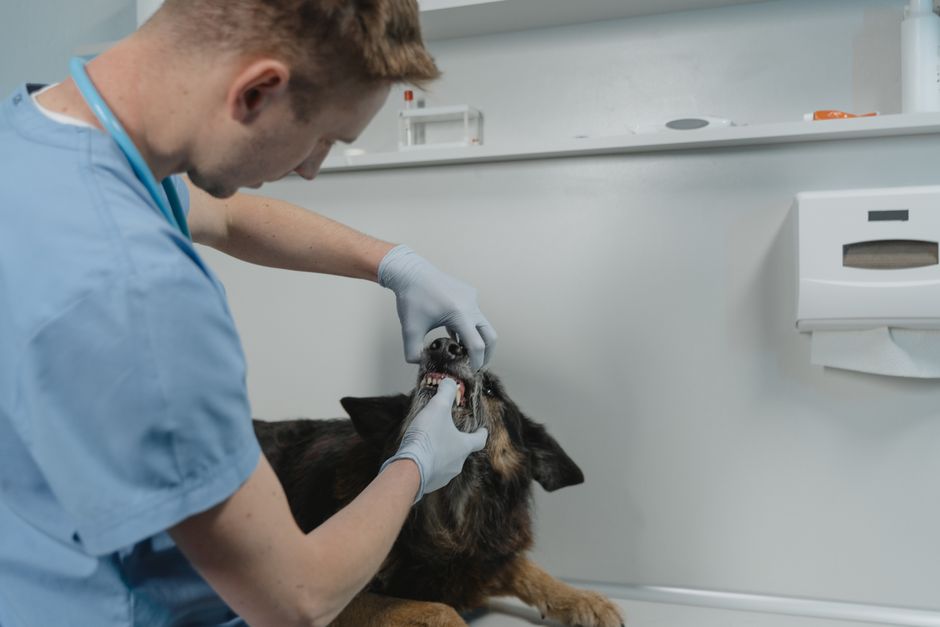
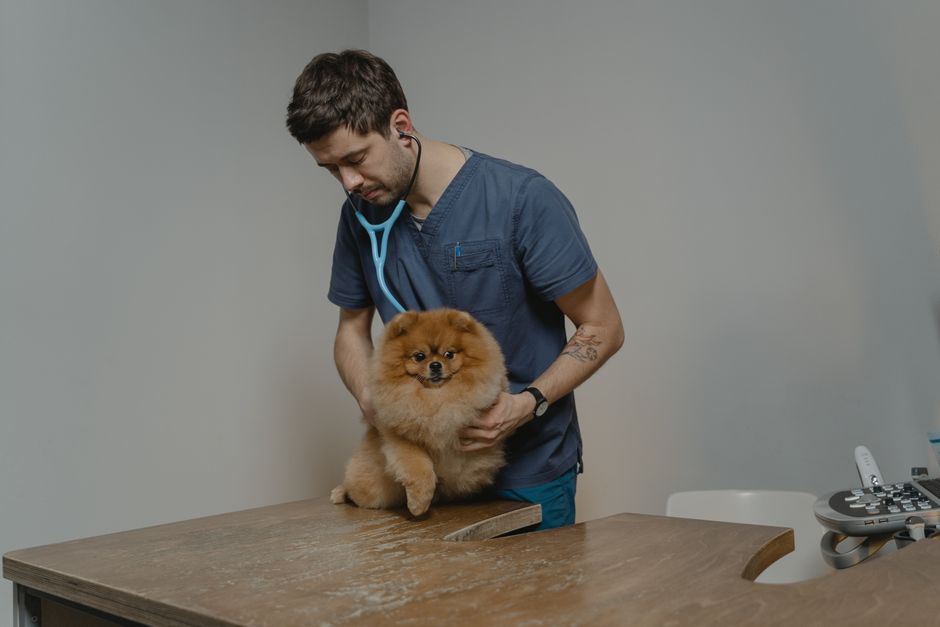
When you bring your pet to our clinic for possible heatstroke, our team of veterinarians will begin by assessing your pet’s temperature, hydration status, and vital signs. Immediate steps involve continued gentle cooling, administering intravenous fluids to treat dehydration and support organ function, and monitoring for complications such as shock, kidney failure, or clotting disorders. We may run blood tests to check for internal damage and provide oxygen therapy or medications as needed.
The specific treatment plan depends on how severe your pet’s symptoms are and how quickly you were able to start cooling measures at home. Some pets may need to be hospitalized for observation and supportive care, while others may recover with outpatient treatment if caught early. Our goal is always to stabilize your pet, minimize lasting effects, and support a full recovery.
Preventing Heatstroke: Practical Tips for Ogden Pet Owners
Prevention is always better than treatment when it comes to heatstroke. During Ogden’s warm season, consider walking your dog early in the morning or later in the evening when temperatures are cooler. Keep outdoor play sessions short, and always provide access to fresh, cool water—both inside and outside your home. For cats, ensure they have shaded resting spots and avoid confining them to sunrooms or garages that can heat up quickly.
Never leave your pet in a parked car, even for a few minutes. The temperature inside a vehicle can soar to dangerous levels in a matter of moments, even with the windows cracked. Take extra care with flat-faced breeds, older pets, and those with health conditions, as they are especially vulnerable. Watch for signs of overheating during grooming appointments or after exercise, and consider scheduling a wellness examination to discuss your pet’s specific risk factors and prevention strategies with our veterinary team.
You can also help your pet stay cool by providing fans, cooling mats, or pet-safe wading pools, and by brushing out excess fur to improve air circulation. If your pet has allergies or skin problems that make heat management more difficult, our veterinary allergy testing services can help identify triggers and create a personalized care plan.
When to Seek Veterinary Care for Heatstroke
Knowing when to seek veterinary care can save your pet’s life. If your dog or cat is panting heavily, drooling excessively, showing signs of confusion or weakness, vomiting, or collapsing, you should seek immediate veterinary attention. Do not wait to see if symptoms improve on their own; internal damage from heatstroke can be severe and is often not visible until it is too late. Even if your pet recovers after initial cooling at home, follow up with your veterinarian to ensure there is no lasting harm.
If you’re unsure whether your pet’s symptoms are due to heatstroke or another issue, it is always better to err on the side of caution and call our team for guidance. For more detailed information about pet emergencies, you can visit our Pet Education Center for resources designed specifically for Ogden pet owners.
Keeping Your Pet Safe: Your Partner in Summer Wellness
At Wasatch Hollow Animal Hospital, we are dedicated to helping you keep your pets safe and comfortable all year round, but especially during the hottest months in Ogden. Recognizing the early warning signs of heatstroke, understanding why your dog or cat may be vulnerable, and knowing when to seek help are all critical steps in protecting your furry family members. If you ever find yourself searching for a “vet near me” because you are worried about heatstroke or any other summer health risk, remember that our compassionate team is here to support you.
To schedule a wellness examination, address your pet’s individual needs, or discuss any concerns about summer safety, please call our veterinary professionals at (801) 689-2244 or visit us at 4300 Harrison Blvd., Suite 5, Ogden, UT 84403. Our veterinarians are committed to providing the highest standard of care for pets throughout Ogden and the surrounding communities. Together, we can ensure your dog or cat enjoys a healthy, happy, and safe summer season.