
How to Prepare Your Pet for a Winter Vet Visit in Ogden
.jpg)
How to Prepare Your Pet for a Winter Vet Visit in Ogden
Winter in Ogden brings its own set of challenges for both people and their pets. If you’re concerned about taking your dog or cat to the veterinarian during the chilly months, you are not alone. At Wasatch Hollow Animal Hospital, located at 4300 Harrison Blvd., Suite 5, Ogden, UT 84403, we recognize that cold weather can add another layer of stress to your pet’s veterinary visits. Whether your companion needs a routine checkup, vaccination services, or help with a specific health concern, taking extra steps to prepare for a winter vet appointment can make the experience safer and more comfortable for everyone involved.
This blog will guide you through practical strategies for preparing your pet for a winter veterinary visit, offer tips for safe travel in the cold, and explain how our veterinary team keeps your pet’s comfort and wellbeing as our top priority all season long. We’ll address common concerns for both dogs and cats, highlight what to watch for during winter outings, and share ways to make your next visit to our Ogden clinic as smooth as possible. If you’re searching for guidance on winter pet care from a trusted vet near me, you’re in the right place.
Recognizing When Your Pet Needs a Winter Vet Visit
Even in the colder months, timely veterinary care is essential. Some pet owners may wonder if it’s safe or necessary to bring their pets in for non-emergency visits during winter, especially when the weather is harsh. However, regular health checks, vaccinations, and preventive care do not take a break for the season.
Watch for signs that your pet may need a veterinary visit, regardless of the temperature outside. These signs include changes in appetite, coughing, sneezing, limping, unusual lethargy, difficulty breathing, vomiting, or diarrhea. Pets with chronic health conditions, such as arthritis or heart disease, may also experience worsening symptoms as temperatures drop. For example, you may notice your older dog struggling to get up after lying down, or your cat seeking extra warmth and moving less than usual. Puppies, kittens, senior pets, and animals with short coats or underlying health issues are particularly vulnerable to winter’s effects and may require closer monitoring.
It’s also important not to delay routine services during winter. Preventive care like wellness examinations and vaccinations help protect your pet’s health year-round, reducing the risk of illness and catching problems early. If you’re unsure whether your pet’s symptoms warrant a visit, our veterinary professionals are always happy to advise by phone.
Why Winter Exacerbates Pet Health Concerns
Ogden’s winters can be cold, snowy, and unpredictable, increasing risks for pets in several ways. Low temperatures and icy conditions can make travel stressful and even hazardous. Exposure to cold air can aggravate respiratory issues, while slippery sidewalks may lead to slips or falls, especially for older dogs or those with mobility concerns.
Winter weather can also mask or worsen underlying health issues. For example, arthritis often flares up in cold temperatures, making it harder for senior pets to move comfortably. Dry indoor air from heating systems can irritate skin and respiratory tracts. Additionally, the use of ice-melting chemicals on sidewalks and roads presents a risk of paw irritation or accidental ingestion, which can be toxic to pets.
For cats and dogs that spend time outdoors, the risk of frostbite or hypothermia increases, particularly if they are left outside for longer than intended. Even indoor pets may be affected by temperature fluctuations during travel to and from the clinic. Understanding how winter impacts your pet’s health lets you take proactive steps to keep them safe and comfortable during vet visits.
How Wasatch Hollow Animal Hospital Keeps Pets Comfortable All Winter
When you bring your pet to Wasatch Hollow Animal Hospital for a winter appointment, our veterinary team is committed to making their visit as stress-free as possible. From the moment you arrive at our Ogden location, you’ll notice we prioritize warmth and comfort for both pets and their people.
Our hospital is kept at a comfortable indoor temperature, so pets can relax after coming in from the cold. We encourage you to bring your pet in a secure carrier or on a leash, and to use warm blankets or jackets for added insulation during travel. If you have to wait in your car due to social distancing or appointment protocols, you can keep your pet cozy with a favorite blanket or towel from home until we are ready for their visit. Our team will coordinate with you to minimize time spent outside and ensure a smooth, quick transition indoors.
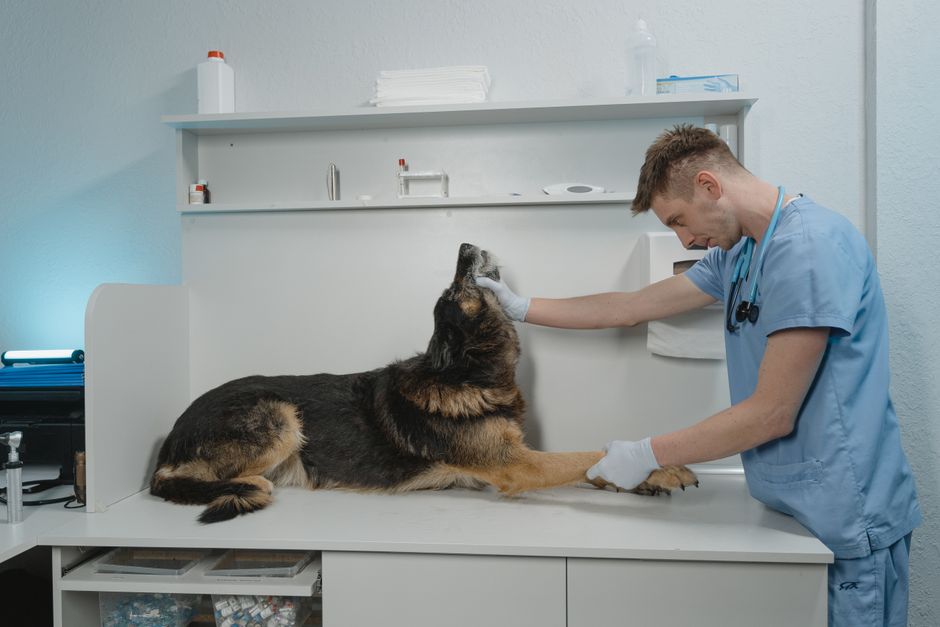
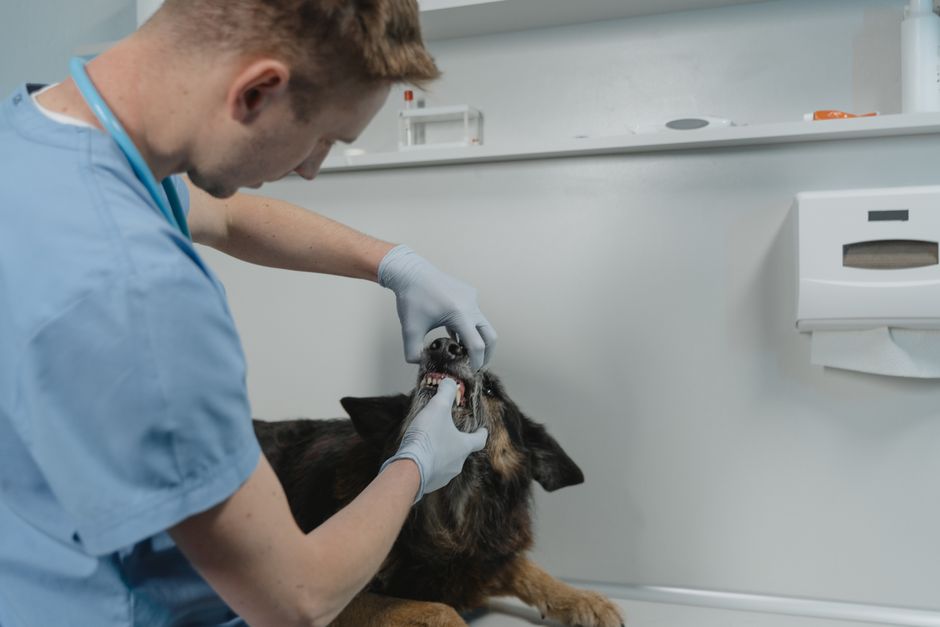
During your pet’s exam, we use gentle handling and positive reinforcement, and we are sensitive to the needs of anxious or cold-sensitive animals. If your pet requires additional care such as boarding or specialized treatment, our veterinary team is equipped to monitor them closely and provide extra support as needed. For pets with existing medical conditions that may be impacted by winter weather, we tailor our care and pain management strategies to ensure their ongoing comfort.
Preparing Your Pet for a Safe and Stress-Free Winter Vet Visit
Preparation is key to a successful winter vet visit. Start by scheduling your appointment at a time when the weather forecast is most favorable, avoiding early mornings or late evenings when temperatures are typically lower. On the day of your visit, ensure your pet is protected from the elements during travel. For small dogs and cats, a secure carrier lined with a warm, familiar blanket offers both insulation and a sense of safety. Larger dogs may benefit from a well-fitted jacket or sweater, especially if they have short coats or are more sensitive to the cold.
Before leaving home, check your vehicle for safety and warmth. Allow your car to warm up before bringing your pet inside, and avoid leaving pets unattended in a cold vehicle, as temperatures can drop quickly. When walking to and from the car, be mindful of icy spots that could cause slips for both you and your pet. If your dog walks on salted sidewalks, rinse or wipe their paws after returning home to prevent irritation or accidental ingestion of chemicals.
For cats that may be nervous about travel, acclimate them to their carrier in advance by placing treats, toys, or familiar bedding inside. This helps reduce anxiety and makes the journey less daunting. If your pet experiences significant travel anxiety or car sickness, mention this when scheduling your appointment; our veterinarians can recommend strategies or solutions to help.
Preventing Winter Hazards: Home Care Strategies
Prevention goes a long way in protecting your pet from winter hazards. Keep pets indoors as much as possible, particularly during extreme cold. When outdoor trips are necessary, limit their duration and supervise closely. For dogs, booties can help protect sensitive paws from cold surfaces and salt. Regularly check your pet’s feet for cracks, redness, or signs of irritation, and keep fur between toes trimmed to avoid ice buildup.
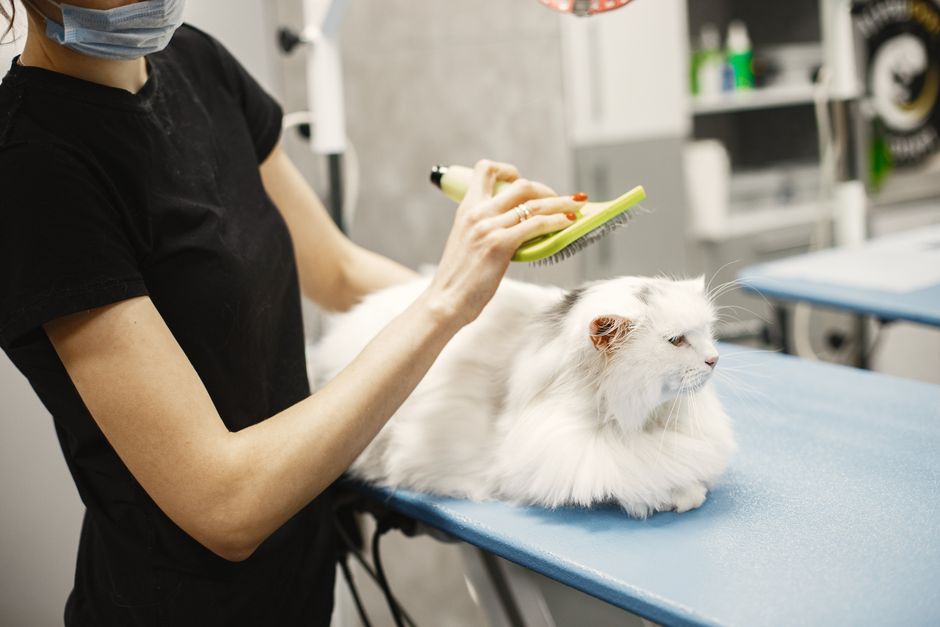
Maintain your pet’s usual grooming schedule, as clean, dry coats provide better insulation. If your pet boards with us or needs grooming services, rest assured that we maintain a warm, safe environment and monitor all animals for signs of stress or discomfort during their stay.
Hydration is just as important in winter as it is in summer. Heated indoor air can lead to dehydration, so make sure your pet always has access to fresh water. Watch for changes in appetite or water intake, and contact your veterinarian if you notice anything unusual. For more seasonal tips and information, our Pet Education Center offers resources for pet owners in Ogden and surrounding communities.
When to Seek Professional Veterinary Care
While many winter issues can be managed at home, some situations require immediate veterinary attention. Seek care if your pet displays persistent shivering, weakness, lethargy, pale gums, or difficulty breathing, as these may signal hypothermia or other serious conditions. Signs of frostbite, such as discoloration or swelling of the ears, tail, or paws, should also prompt a visit to your veterinarian.
If your pet is limping, showing signs of pain, or experiencing sudden changes in behavior, it’s important to schedule an appointment promptly. Chronic conditions like arthritis, heart disease, or diabetes may require special monitoring and medication adjustments during the colder months. Our veterinary professionals are equipped to address these needs and provide personalized recommendations based on your pet’s health history.
Remember that regular wellness examinations and preventive care remain essential, even in winter. Timely intervention can make a significant difference in your pet’s comfort and recovery. If you ever have concerns about whether your pet’s symptoms warrant a visit, don’t hesitate to call our Ogden location for guidance.
Trust Wasatch Hollow Animal Hospital for Compassionate Winter Care
Preparing for a winter vet visit in Ogden doesn’t have to be stressful. By recognizing your pet’s unique needs during colder months, taking practical steps to protect them from the elements, and partnering with a veterinary team that prioritizes their comfort, you can ensure your dog or cat receives the high-quality care they deserve.
At Wasatch Hollow Animal Hospital, our veterinarians and support team are dedicated to your pet’s health all year round. We welcome you to schedule a winter appointment at our conveniently located Ogden clinic, where we provide comprehensive services, including wellness examinations, vaccinations, and boarding in a warm, comfortable environment. If you have questions or concerns, or if you need to book an appointment, please call us at (801) 689-2244. When searching for a veterinarian near me who understands the special considerations that come with Ogden winters, you can trust our team to provide expert care with genuine compassion.
For more advice on keeping your pets healthy and happy during every season, explore our Pet Education Center or reach out to our veterinary professionals. We look forward to supporting you and your companion through a safe and comfortable winter.